
I’m a sucker for Yashica cameras. I think it’s a subconcious way of paying homage to my dad who gifted me his Yashica D TLR many years ago. I bought a second and near-identical Yashica D which my girlfriend uses. I also have a number of Yashica rangefinders; Yashica Lynx 1000, Yashica Lynx 5000 (two of these), and a Yashica 5000 E IC. Because one can never have enough Yashica, I bought yet another one earlier this month. It’s the Yashica Electro 35 GSN. I saw it on eBay and couldn’t refuse. My total cost after shipping and taxes was $53.75. I spent another $20 to buy a battery and battery adapter which powers the onboard light meter. The adapter, coupled with a modern battery, is necessary since the battery originally meant for this camera is no longer made.
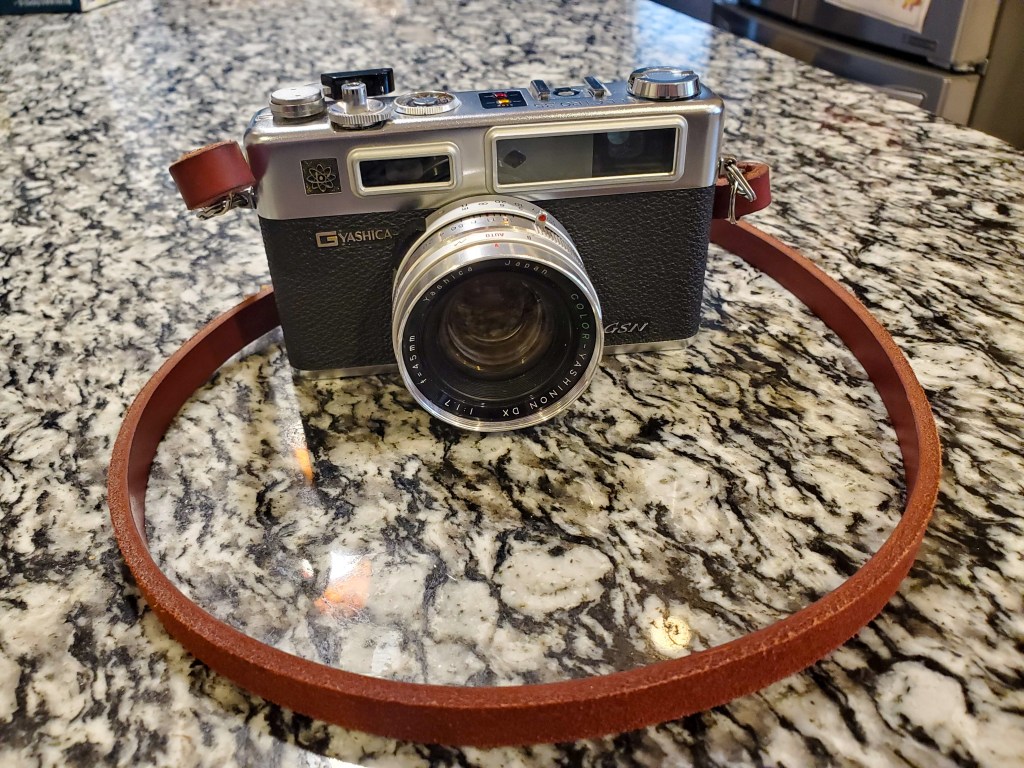
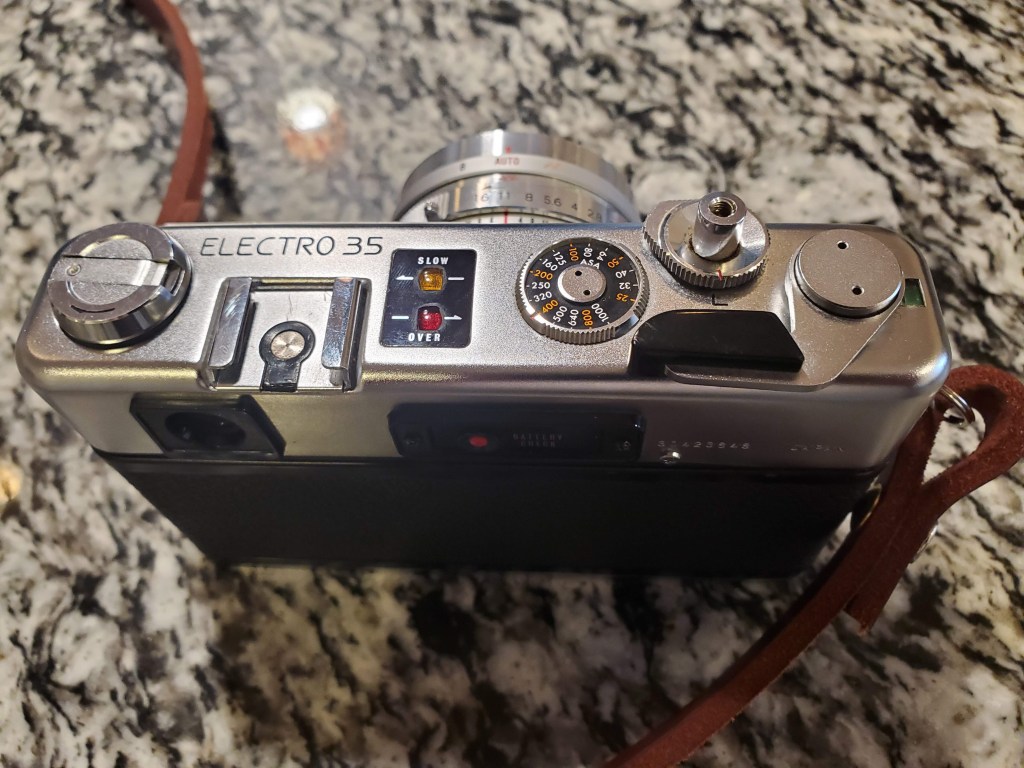
This camera was introduced in 1966. Unlike most rangefinders I have which all operate completely in manual mode, this one is somewhat automated. That was a big deal back then. You select the f/stop you want to use on the lens and then the camera decides what shutter speed to match to your chosen f/stop. And if the f/stop you choose is too small or too large, the built-in light meter will warn you by means of illuminating an orange “slow” (underexposed) light or a red “over” (overexposed) light on the top deck when you partially depress the shutter button. These warnings are duplicated in the viewfinder with an orange or red arrow to indicate which direction you should turn your f/stop selector to compensate for the current light conditions. If you don’t see any lights or arrows, then your exposure is correct.
I think it’s a subconcious way of paying homage to my dad who gifted me his Yashica D TLR many years ago.
I have very few cameras with working built-in light meters. In fact, most of my cameras don’t even have a light meter. I’ve become accustomed to using the Sunny 16 rule, an external light meter or phone app to determine exposure. When I went out with this camera loaded with a roll of film, it would be the first time relying exclusively on a camera’s light meter to determine exposure. It actually took self-discipline to not double check the camera’s exposure readings.
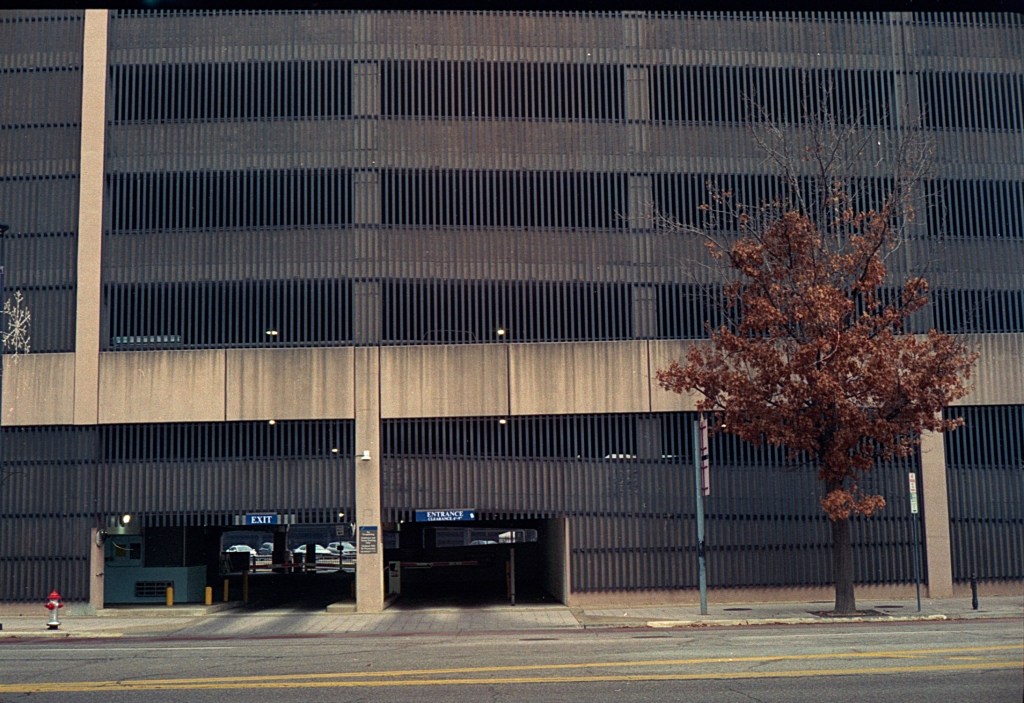
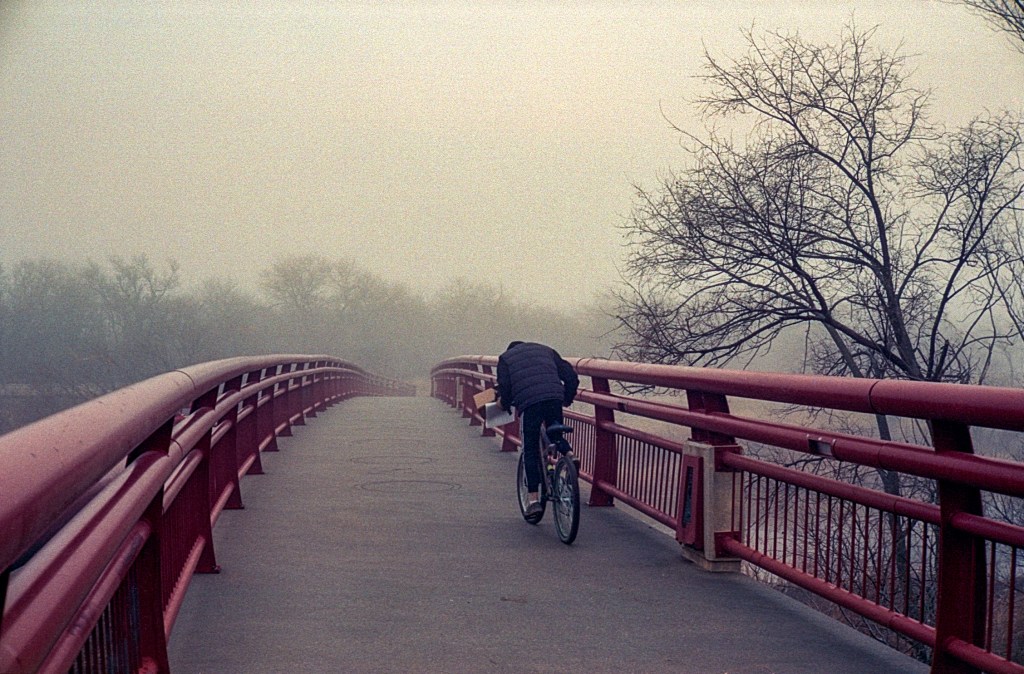
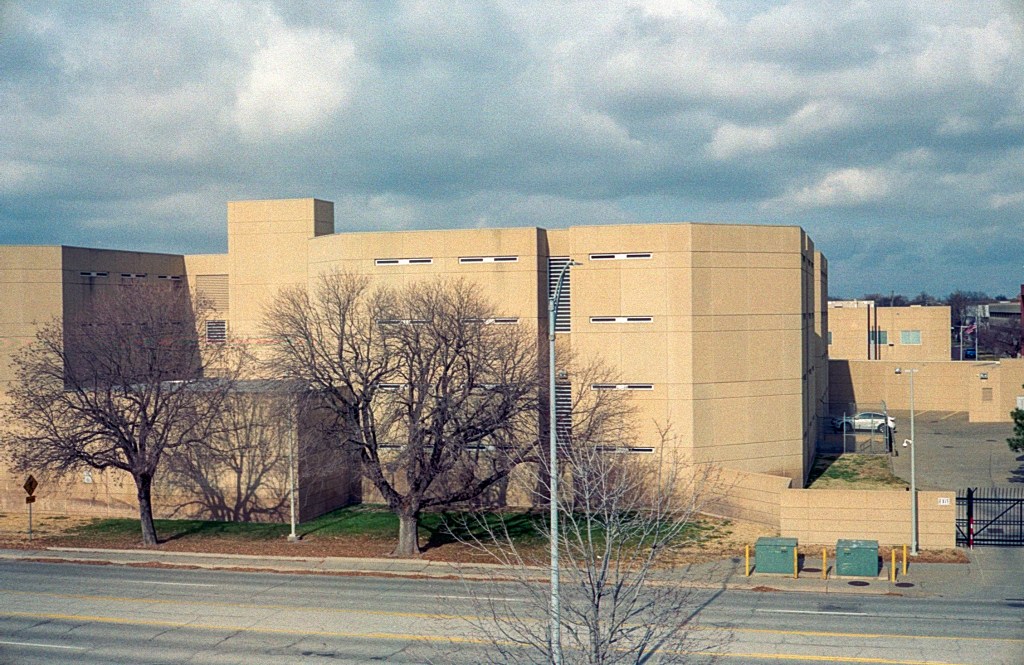
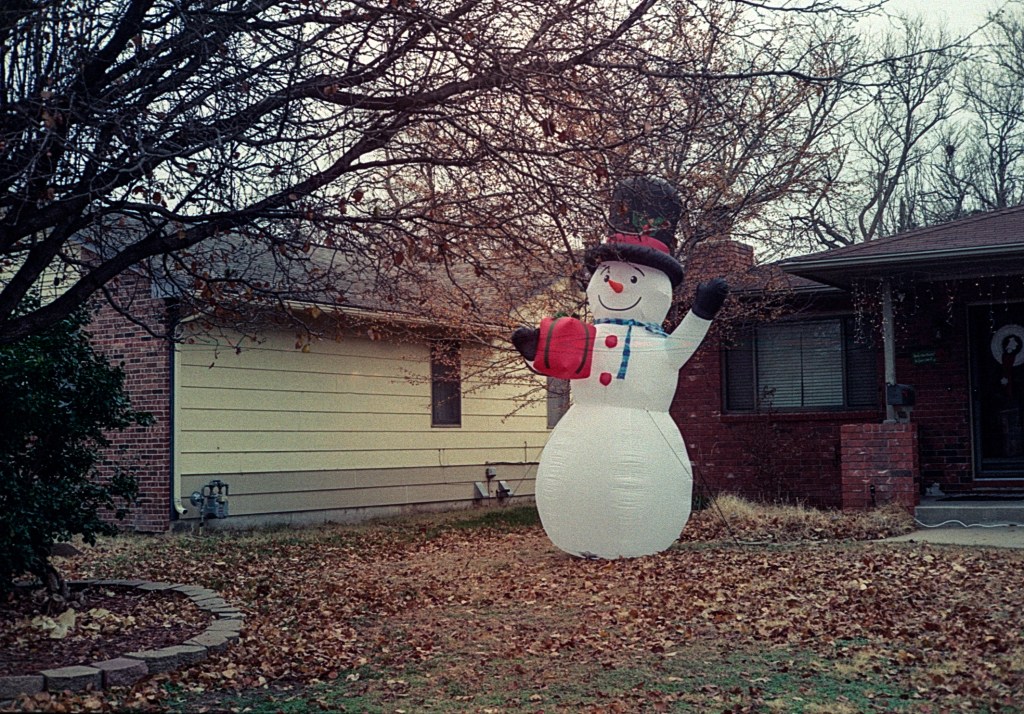
I loaded it with a roll of Kodak UltraMax 400 and later developed it in Cinestill CS-41. Overall, I thought the camera’s light meter did a decent job. There was obvious evidence on the negatives of a light leak in the camera. This didn’t surprise me because the camera has a slight wiggle on the rear door which I initially just shrugged off, which I shouldn’t have.
A close examination of the camera shows its light seals are kaput and require replacement. I did a little research and came across a YouTube video in which a guy named Adam Welch shows how to replace this camera’s light seals with felt and (of all things) cotton yarn. I’ll be following his lead and doing this to my own camera and will report back.





 ICT Film Guy
Leave a comment