
I have a wide assortment of film. Multiple sizes, brands and speeds. The lowest speed film I have is 50 ASA. I love the fine grain and sharpness offered by this slow speed. I got great results a while back shooting CineStill 50 Daylight film in 120 format. My most recent use of 50 ASA film was with a roll of ADOX HR-50.
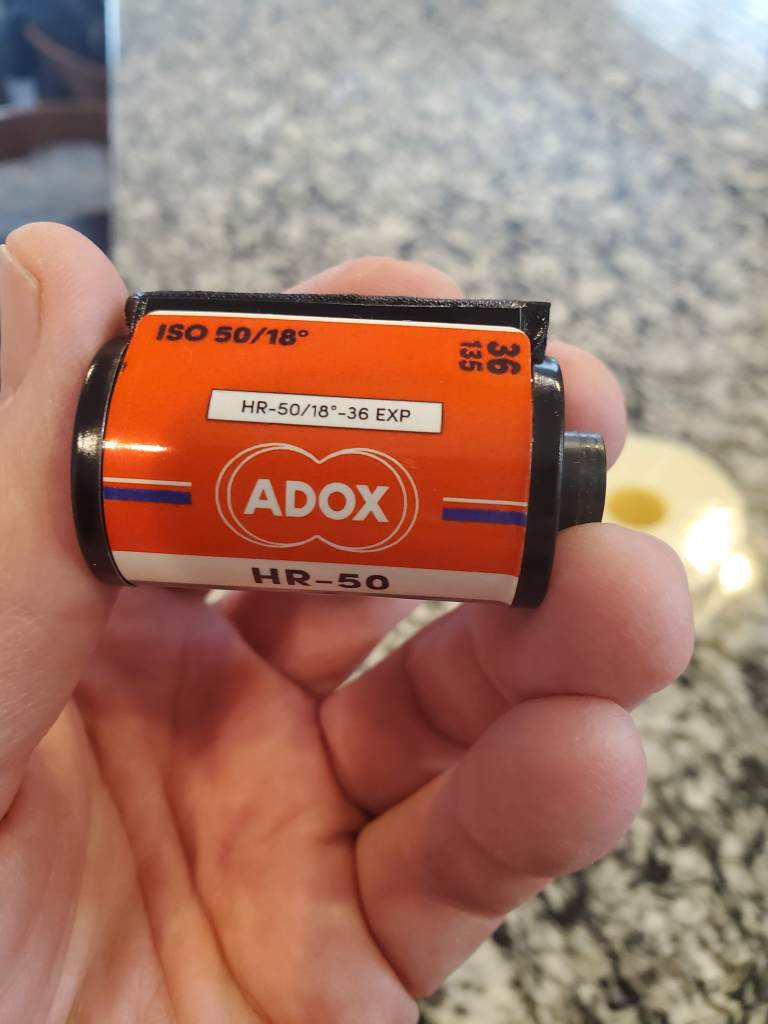
The film has been described this way: “ADOX HR-50 is based on an emulsion commonly available for technical purposes, featuring an ultrafine grain and superpanchromatical sensitization. HR-50 is especially suited for street and landscape photography. The film’s speed is enhanced to 50 ASA using the ADOX Speed Boost technology. The gamma is reduced so it becomes perfectly usable for pictorial photography in regular developers for portrait photography. The dedicated HR-50 developer is recommended.”
I shot my ADOX in my Canon Canonet QL 17. Some of my favorite recent photos have been shot with this camara. I’ve documented my experiences with it in previous posts. You can read about it here and here.
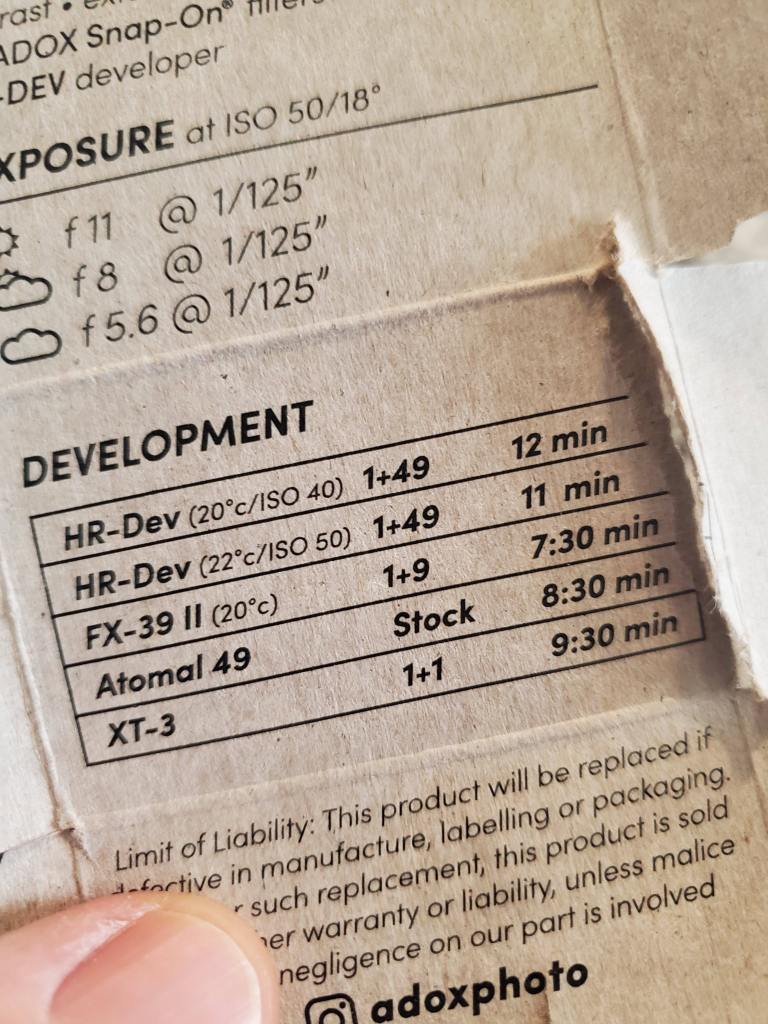
When it came time to develop, my concern was that I didn’t have a proper developer available. ADOX makes/made a developer specifically for this film, Adox HR-DEV. My research shows it’s either no longer available (or at least not from my usual sources). The film’s data sheet suggests as alternatives FX-39, Atomal 49 and XT-3. I don’t have any of those developers either and wasn’t keen to order them in for a single roll of film.
Impatient me decided to forge ahead. This will surprise no one.
My current stock of B&W developers included; Kodak D-76, Kodak D-19 (unmixed), Cinestill DF96 monobath, Diafine and Rodinal. Rodinal seemed to be the most appropriate since it’s also manufactured by ADOX. In fact, when I consulted the Massive Development Chart, Rodinal (in various dilutions) was the only one of my available developers listed as an option.
My research about this film/developer combo led to various opinions. Some said to avoid it all costs while others reported having great results. Impatient me decided to forge ahead. This will surprise no one. I settled on Rodinal diluted at 1:25 at 5 minutes and 68°. Some had cautioned about this dilution being too contrasty and to instead try 1:50 or even 1:100. Unfortunately, I didn’t come across this advice until after I’d hung my negatives to dry. (I’m writing this post while they’re still dripping dry in my bathroom.)
Side note: with this developing session, I tossed out my jug of fixer. It was Kodak Professional Fixer which I’d been using for about six months. While it was still working just fine, I decided to play it safe and mix up a fresh batch. My new batch was Kodak Kodafix which comes in liquid form to be mixed with water. Much easier to mix than the powdered fixer I’d used before.
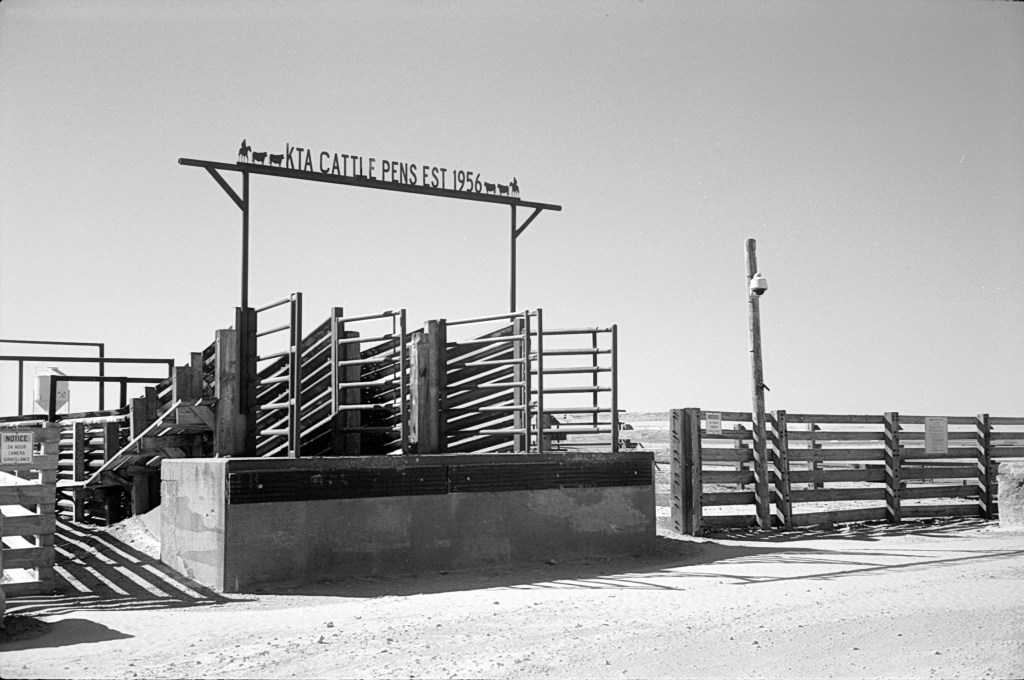
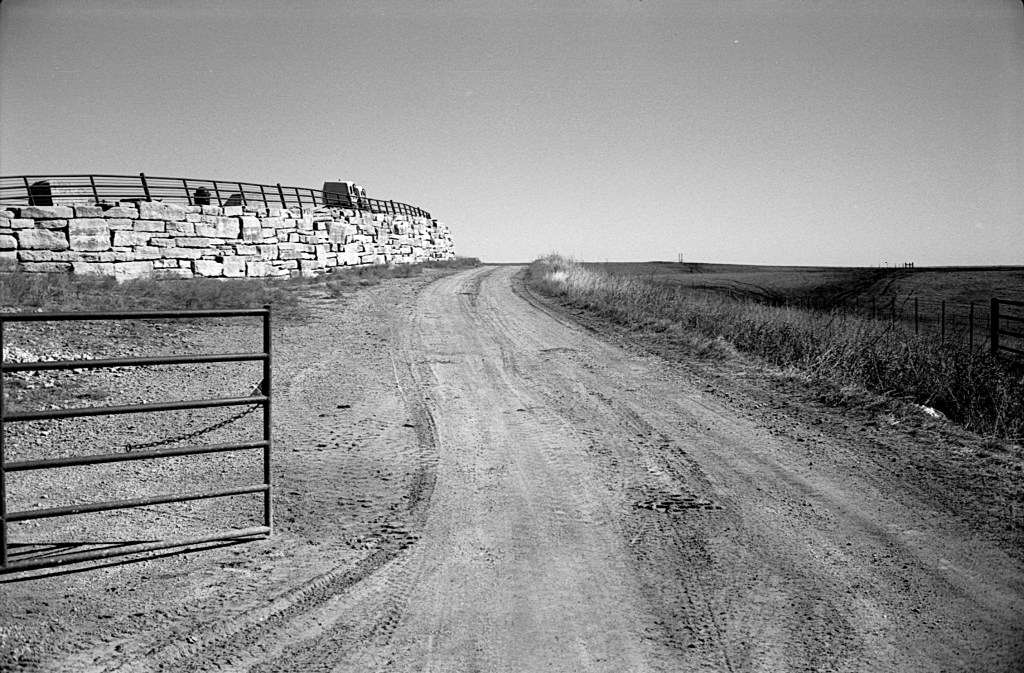
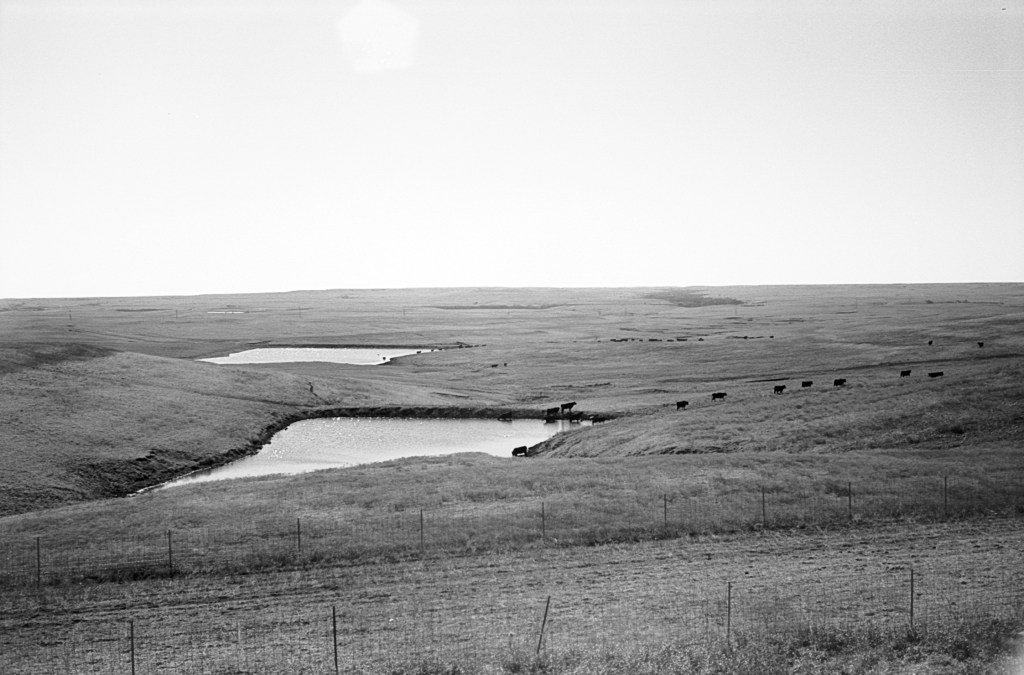
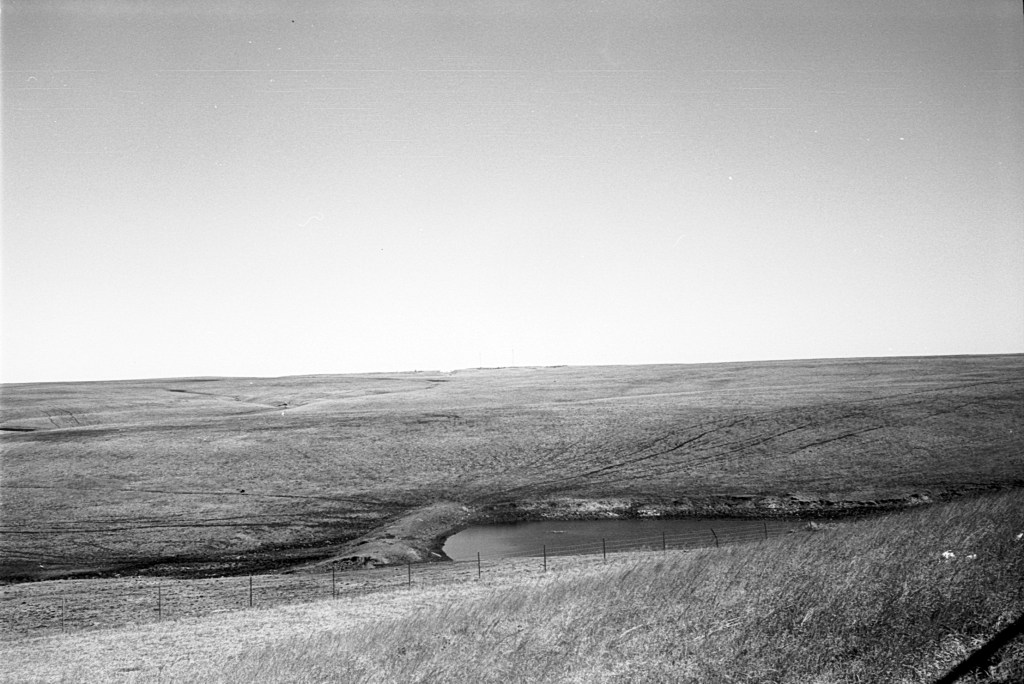
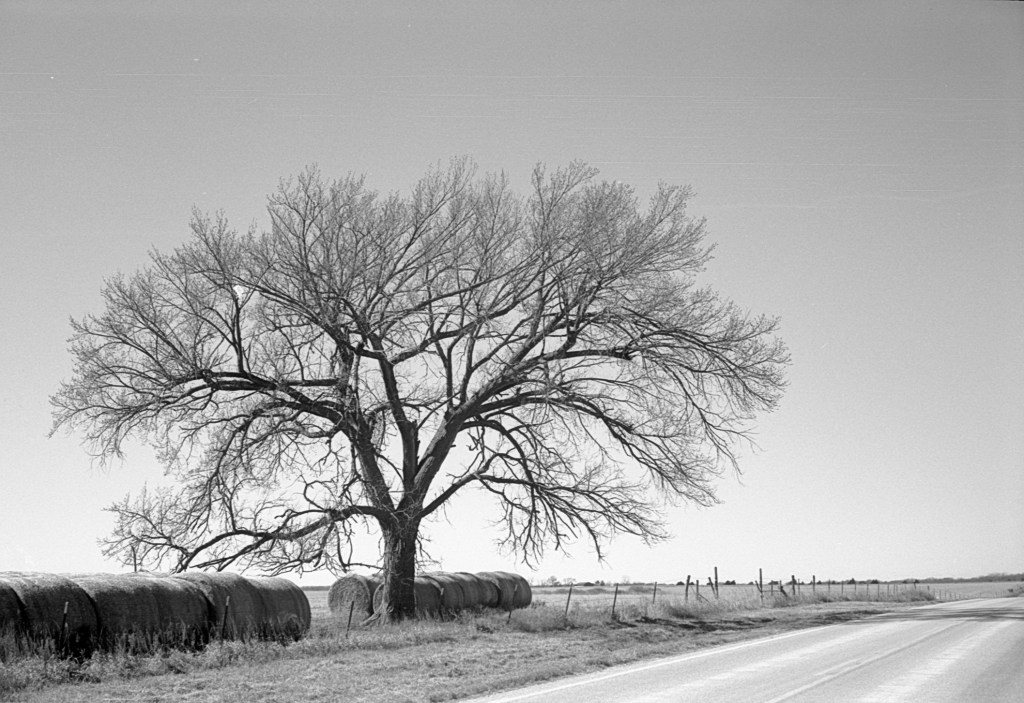
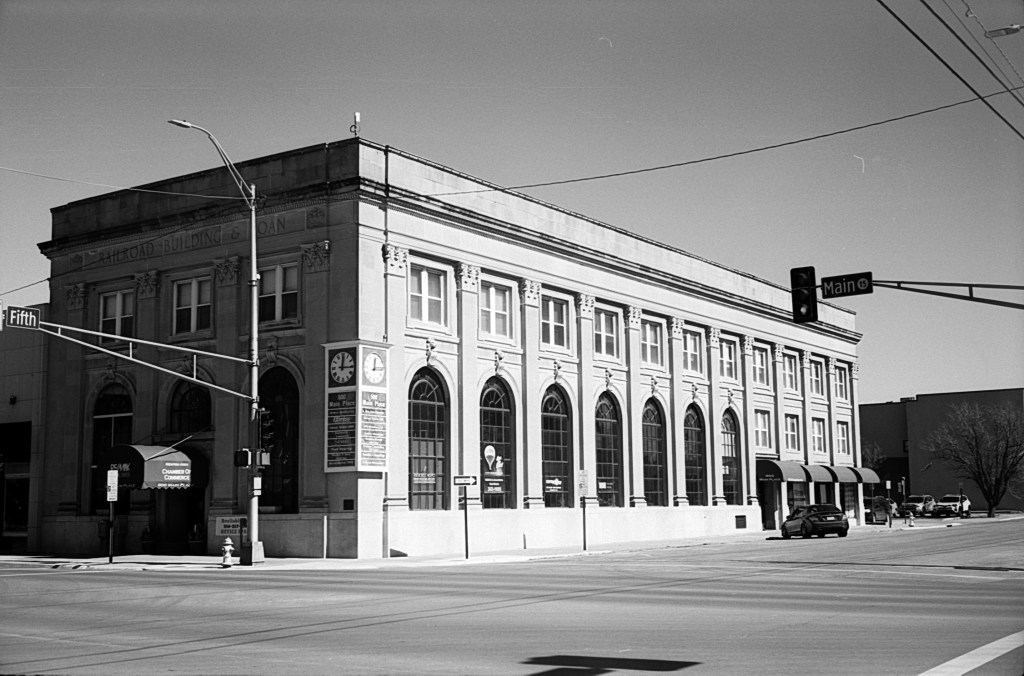
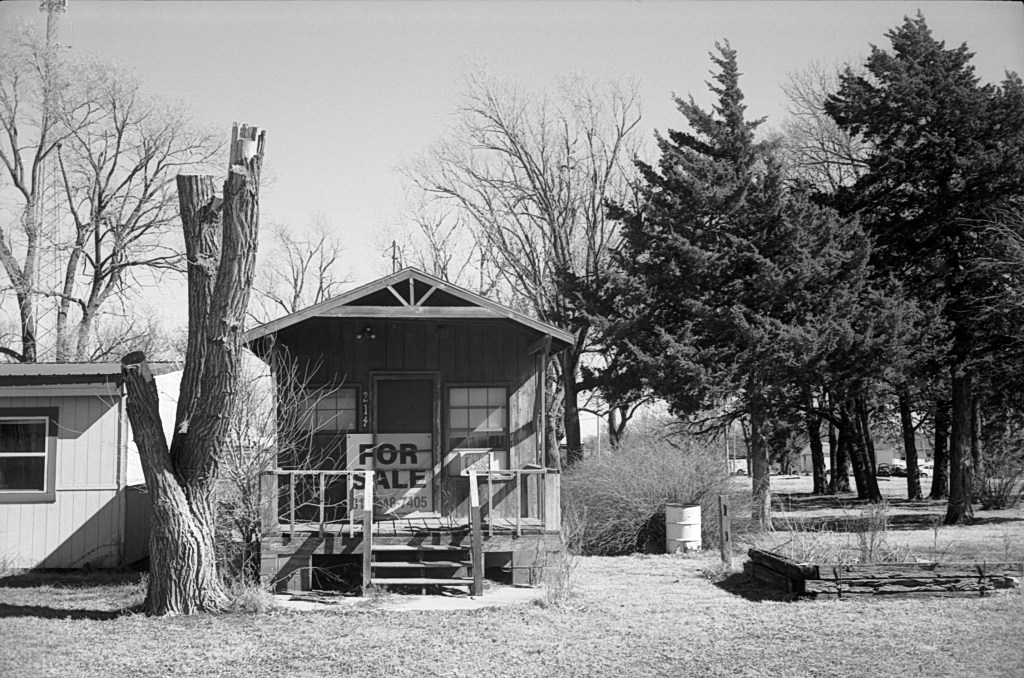
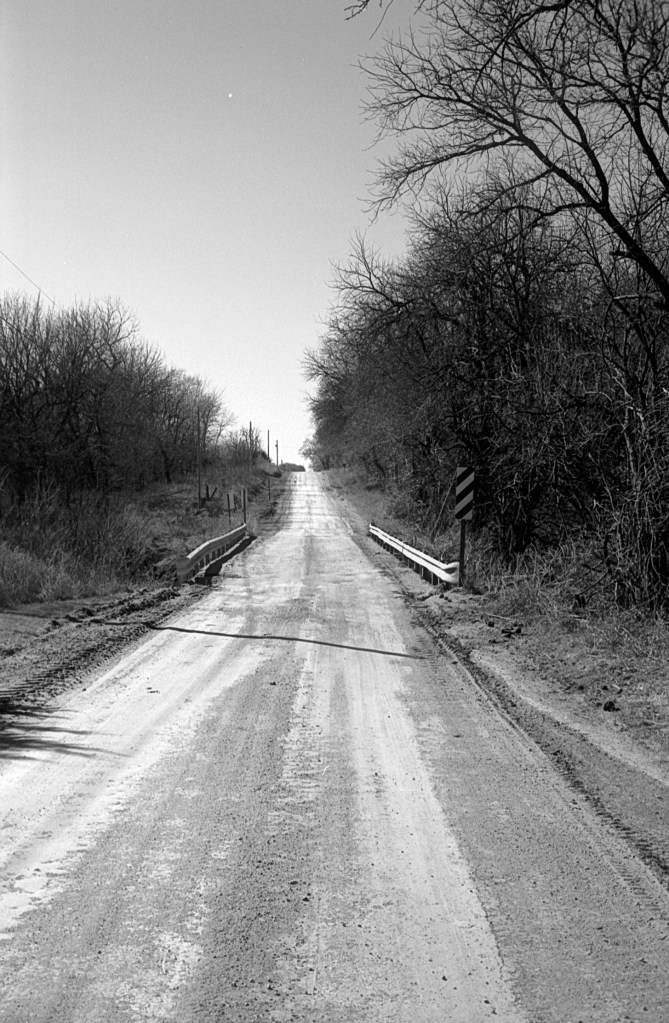
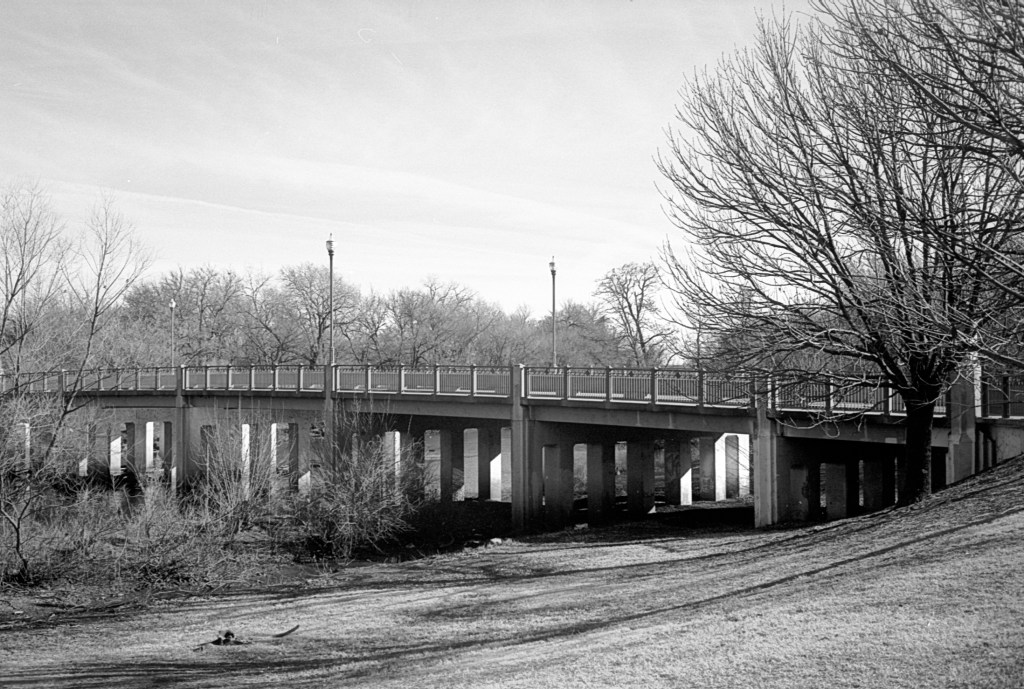
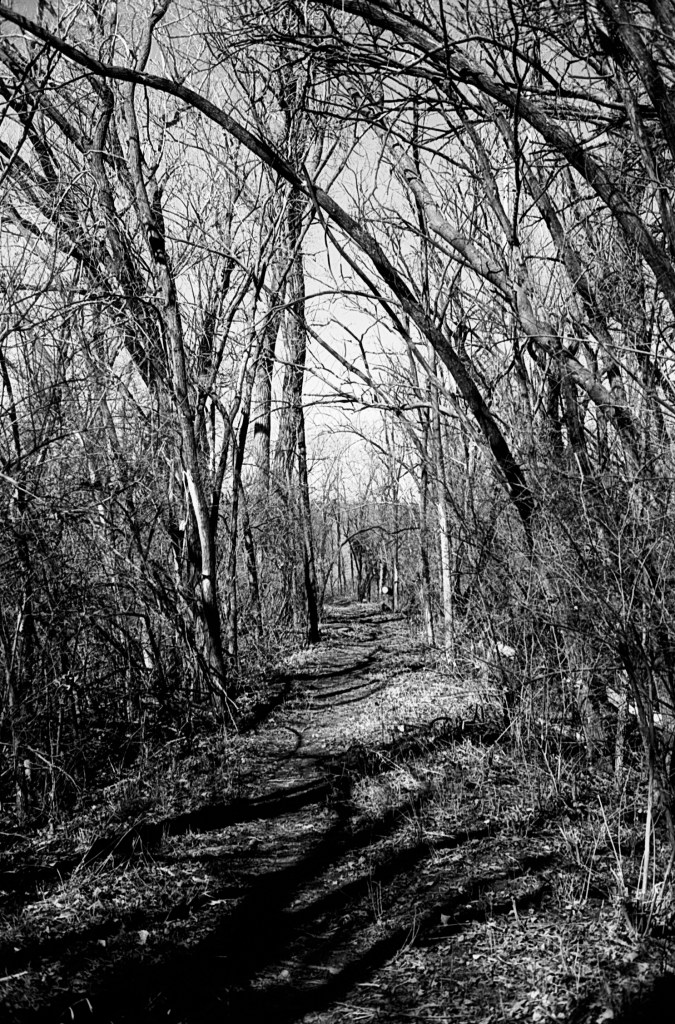
Boy, oh boy. These negatives were indeed quite contrasty! I had to tone them down in Lightroom. Next time I develop this film, it’ll definitely be in a higher dilution of Rodinal. But my trusty Canon Canonete came through for me once again and I managed to get some shots I really like.

 ICT Film Guy
Leave a comment