
I mentioned in a previous post that I ended up with two identical copies of the same camera. It turns out they’re only near identical. I’m talking about my pair of Mamiya 6 Six Automats. I hadn’t noticed the differences between the two right away. But I eventually noticed that one had a lever on the back and under the film advance knob. The other camera lacks this lever.
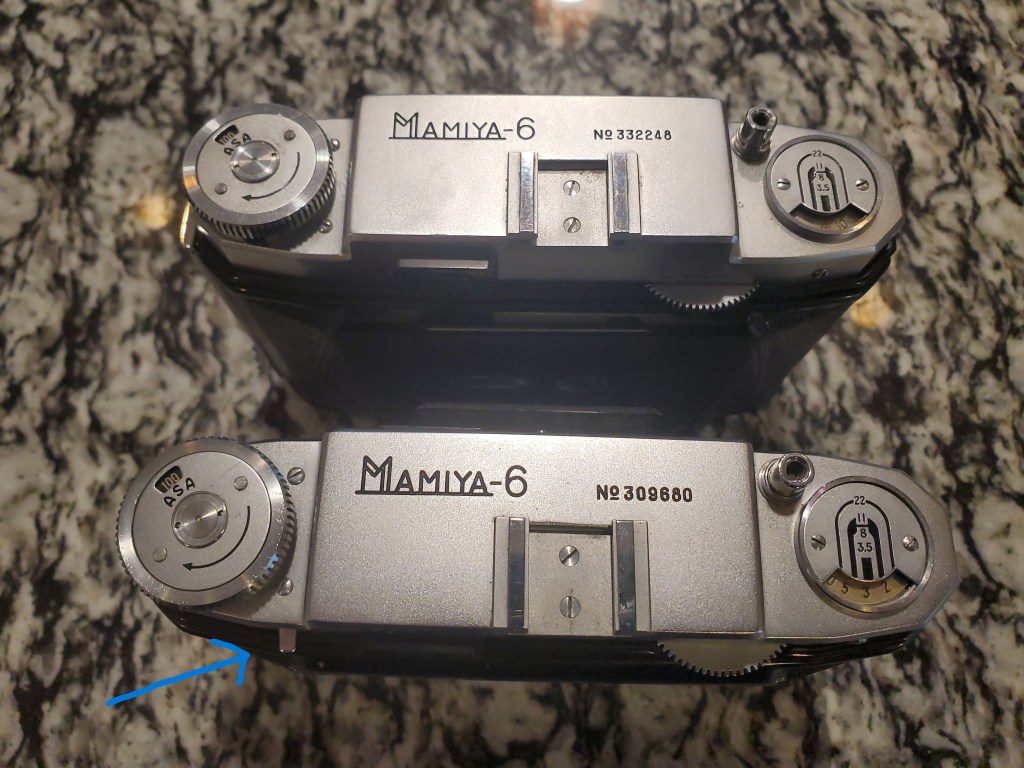
I posed my quandary about why this is to one of the several online camera forums I frequent. A smarter guy than me described it this way; “On the version with the lever, after firing the shutter, the film advance mechanism locks to prevent accidental double exposures. You must manually operate the lever to unlock the advance and wind the film to the next frame. This was a common feature in some medium-format cameras to ensure proper frame spacing and avoid wasted film. Your other Mamiya 6 Automat, which lacks the lever, likely has an improved or simplified mechanism where the double exposure prevention disengages automatically when the shutter is fired, eliminating the need for manual unlocking.”
Sometimes on these formus, the brainiacs like to talk down to those of us who are still learning about vintage gear.
He went on to explain, “It’s reasonable to assume that the one with the lever is the earlier version, while the one without it represents a later refinement to the design. Manufacturers often streamlined mechanisms over time to improve usability.”
I was very appreciative of this guy’s straightforward explanation! Sometimes on these formus, the brainiacs like to talk down to those of us who are still learning about vintage gear.
Despite the camera’s design to “ensure proper frame spacing,” I ended up with some uneven film advancement. This caused a few of the frames to overlap one another. This messed up a frame of my son and grandson I was excited about. But, I don’t blame this on the camera or its design, but on my first attempt to use this particular camera without understanding the use and purpose of the double-exposure prevention lever. (My first use of this camera was the copy without this lever, and it was much more intuitive.)
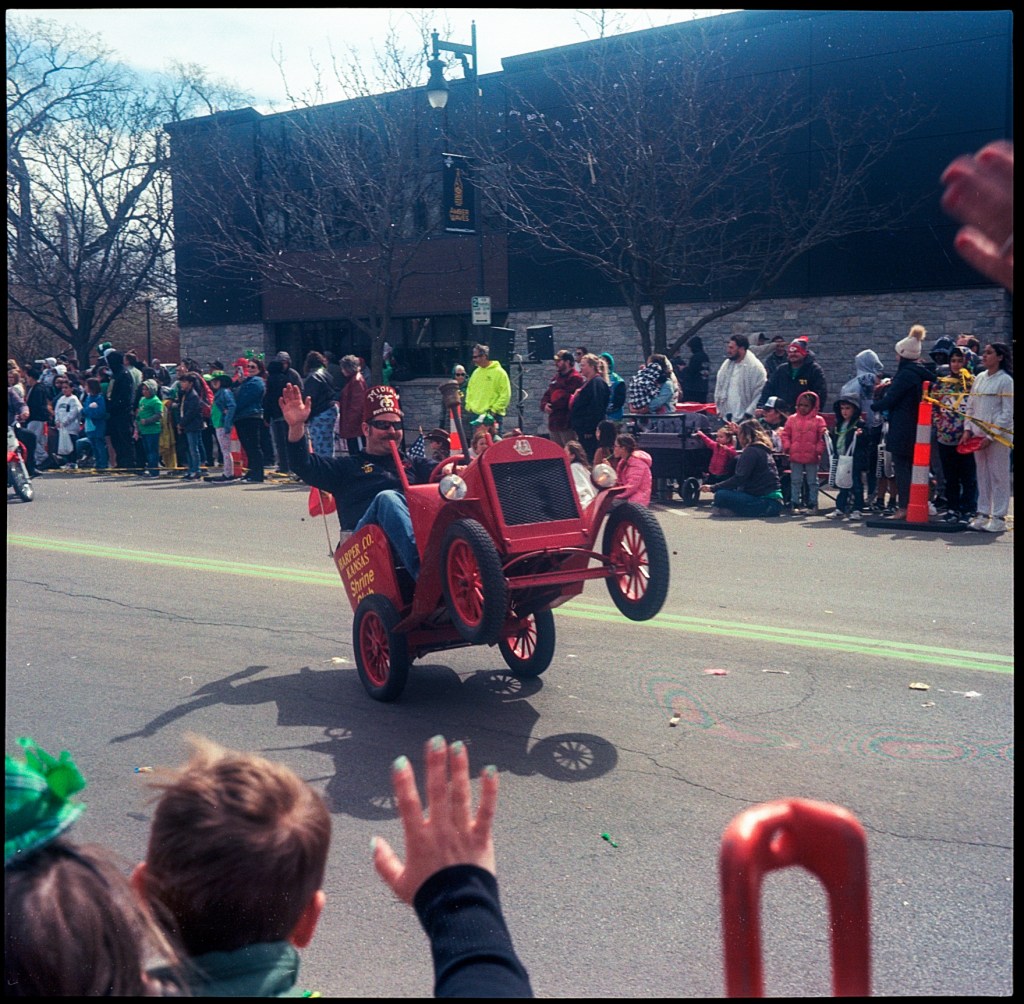
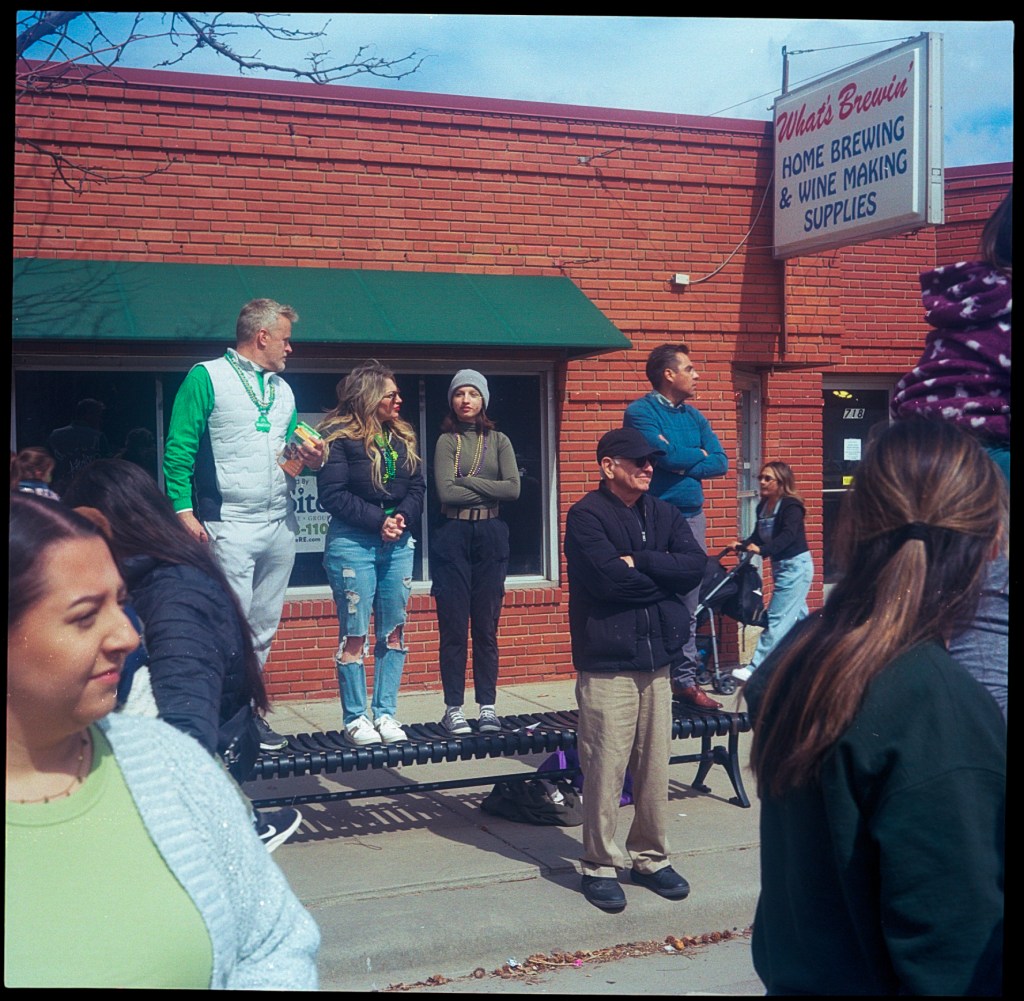
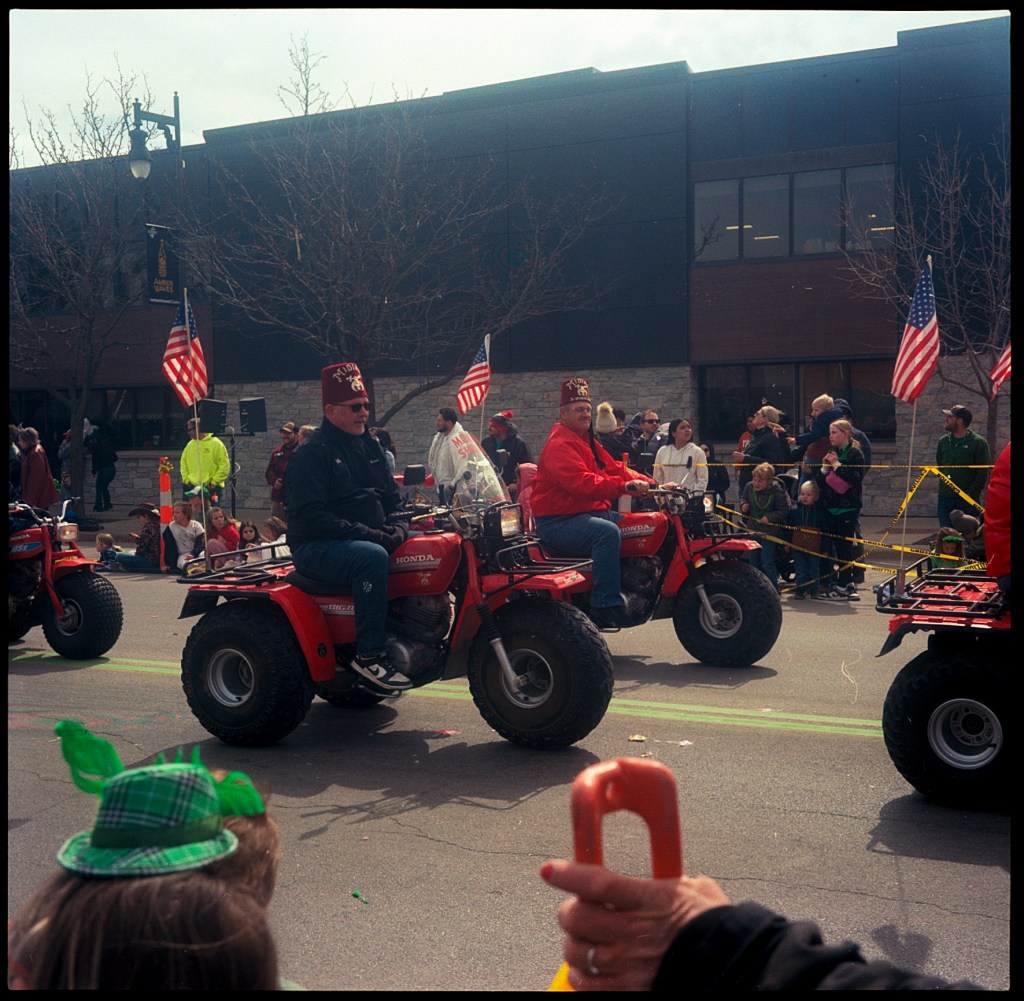
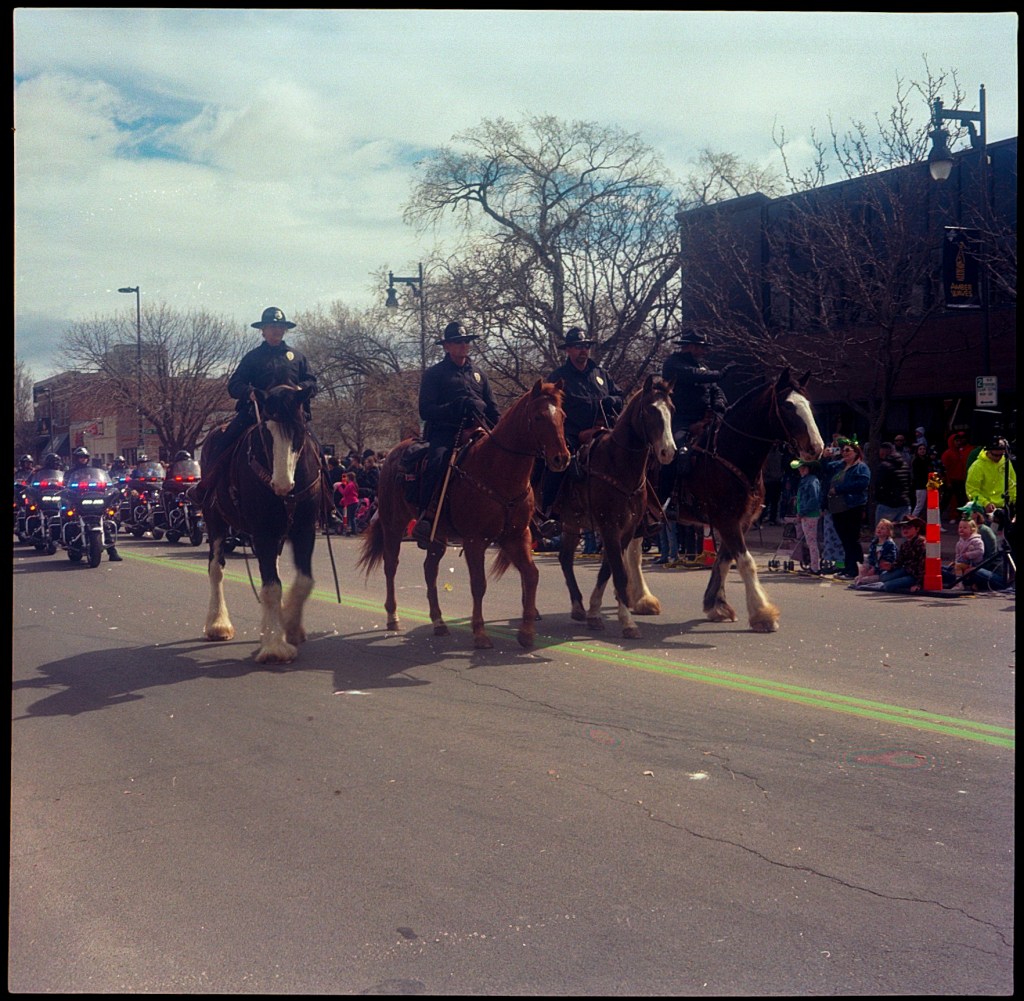
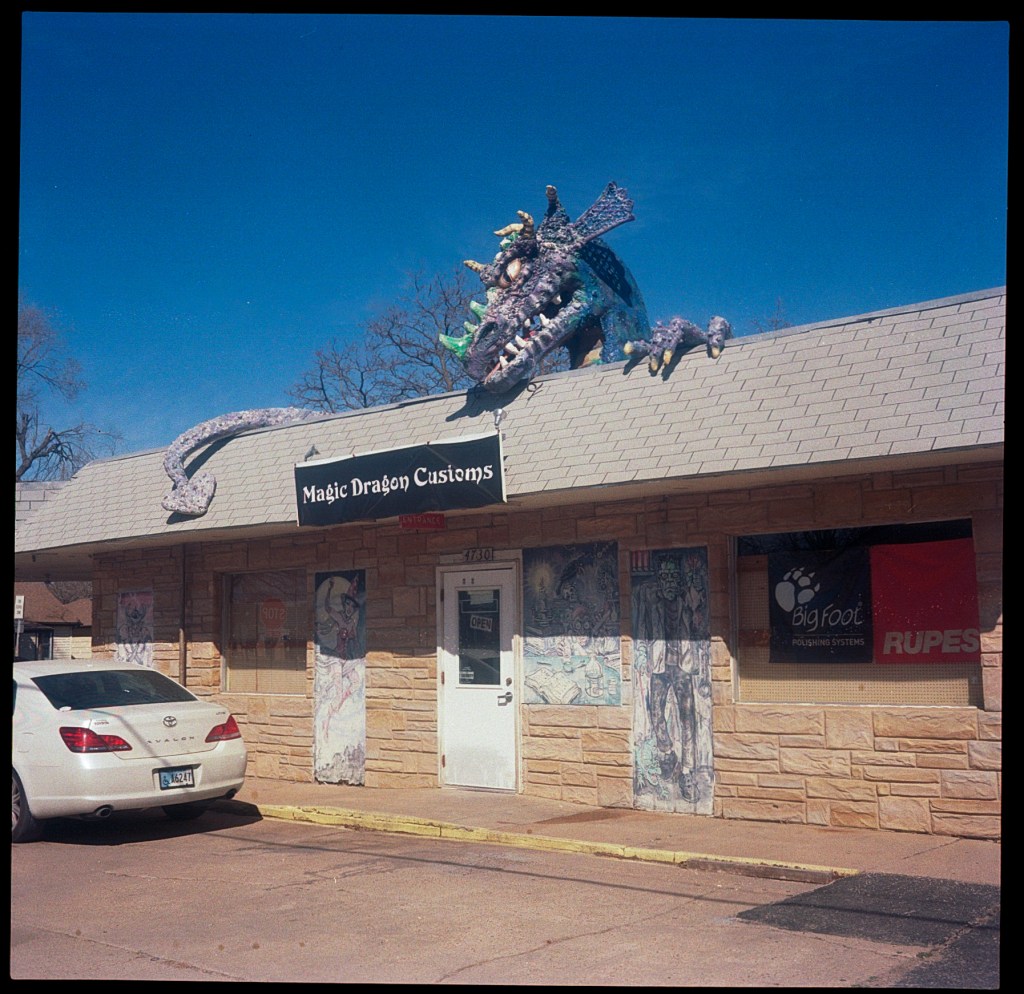
This issue notwithstanding, the roll of Kodak Ektar 100 I put through it turned out just fine. It’s not as cheap as other films I usually shoot. It sells for about $11 per roll, when purchased in 120 format and in a five-pack. I’d previously purchased a five-pack and this was my first time trying it.
Some of the advertised features of this film are; Daylight-Balanced Color Negative Film, Extremely Fine Grain Structure, Vivid Color Saturation, High Sharpness, T-GRAIN Emulsion, Ideal for Scanning. The box proclaims, “World’s Finest Grain.”
I developed it at home with Cinestill CS-41.


 ICT Film Guy
Leave a comment