
Not only do I use a variety of cameras and films, I also dabble in trying different developers. In reading about developers, one that is frequently mentioned is Kodak HC-110. I was drawn to it because, like ADOX Rodinal, it is used as a one-shot developer with a crazy long shelf life (in undiluted form).
I bought a “generic” version of the developer. The Film Photography Project sells a version of the product, calling it FPP 110. Like the “real” stuff, it is most commonly used in a dilution of 1:31. I’ll admit it’s a bit of a head-scratcher to get the developer-to-water ratio just right. Quik Tip: Take the total amount of working solution you want to use, then divide by 32. For instance, if you want to whip up a batch of 500ml of working solution, 500/32 = 15.625 ml. So, (I rounded up) 16ml into a beaker then added distilled water until it reached 500 ml. Easy peasy.
I sometimes have to remind myself to trust the process.
Once mixed, the developer had the appearance of just clear water. Many developers will have a noticeable tint or hue or other visible signs that the solution is ready for business. This one didn’t. I was concerned I hadn’t mixed it properly. And the suggested developing time was a mere five minutes. I was skeptical that this “thin” developer used for that short of a time would work. I was wrong. I sometimes have to remind myself to trust the process.
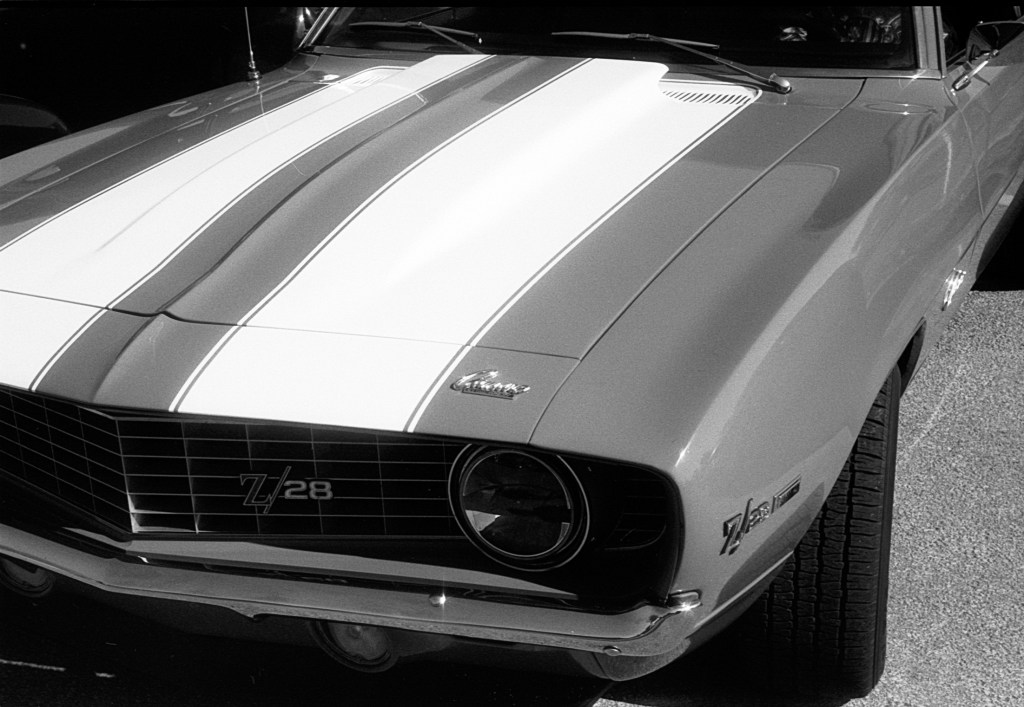
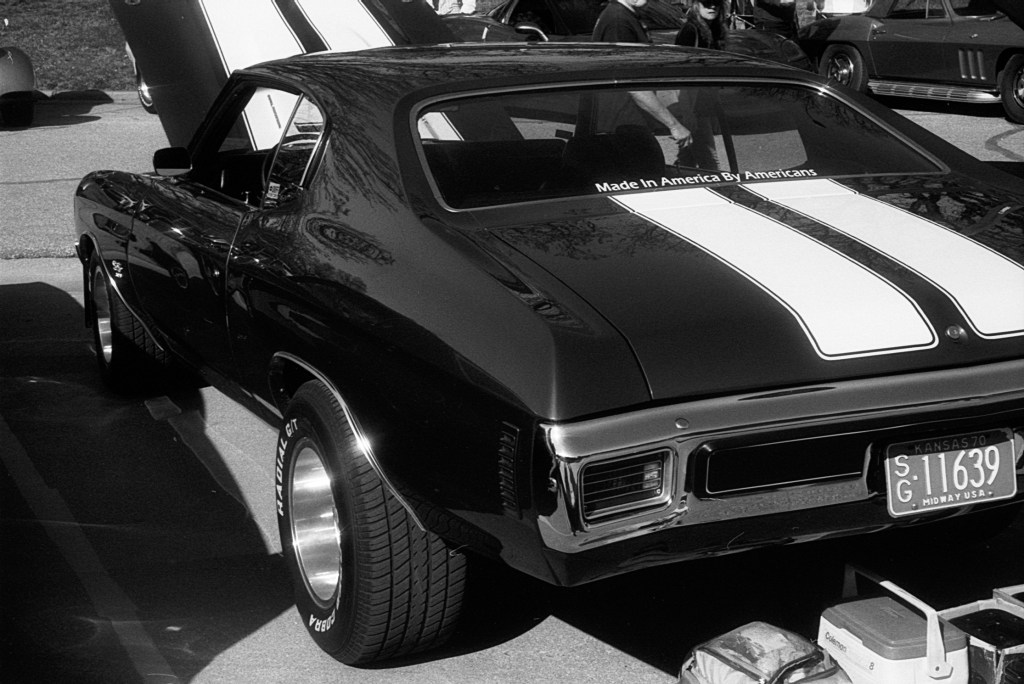
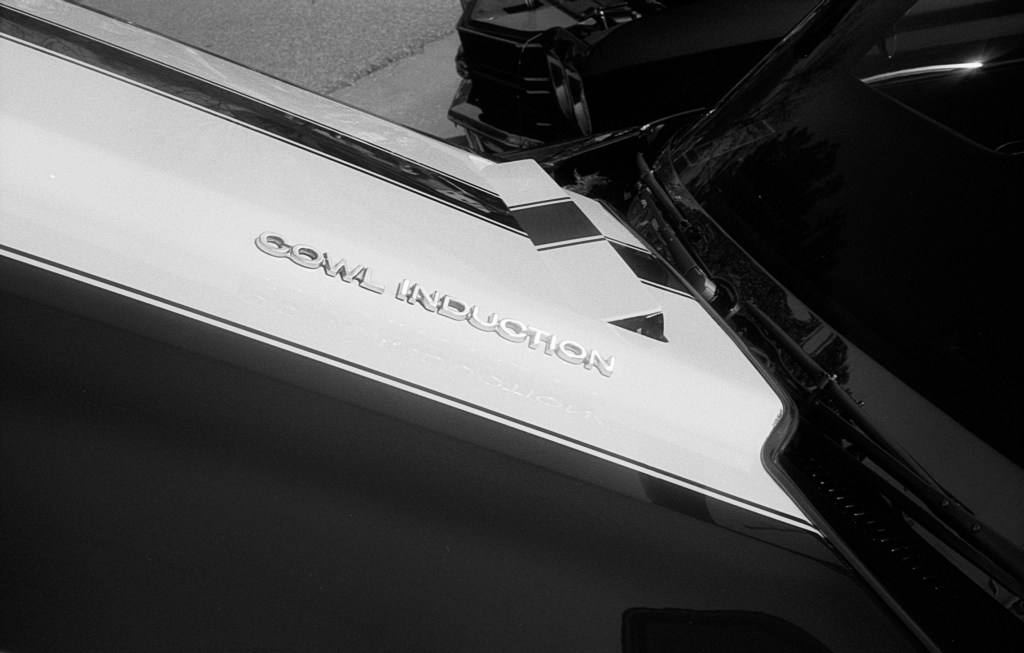
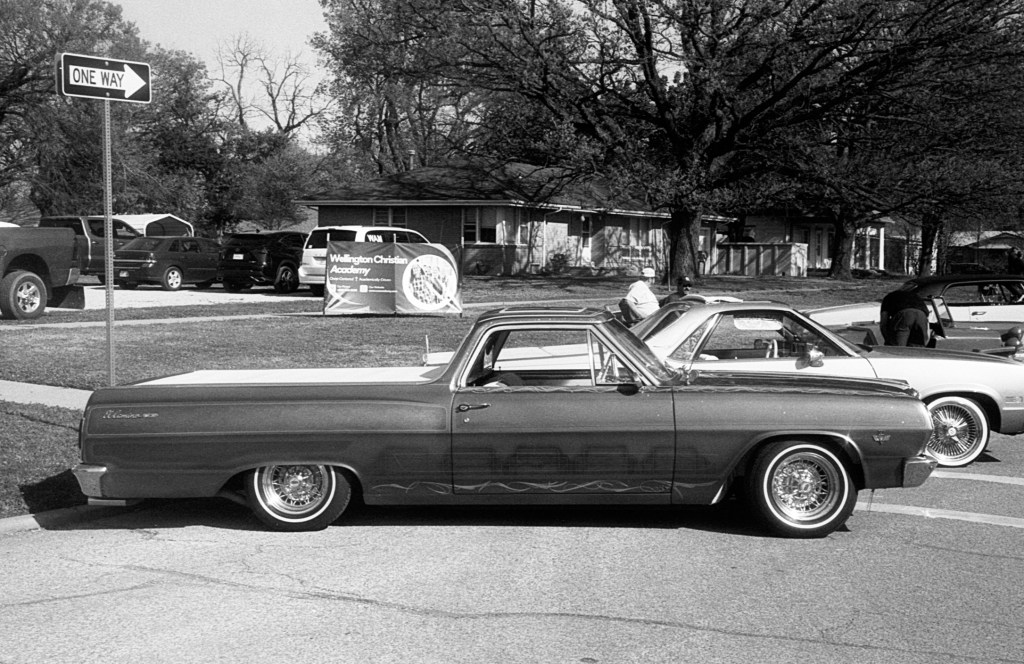
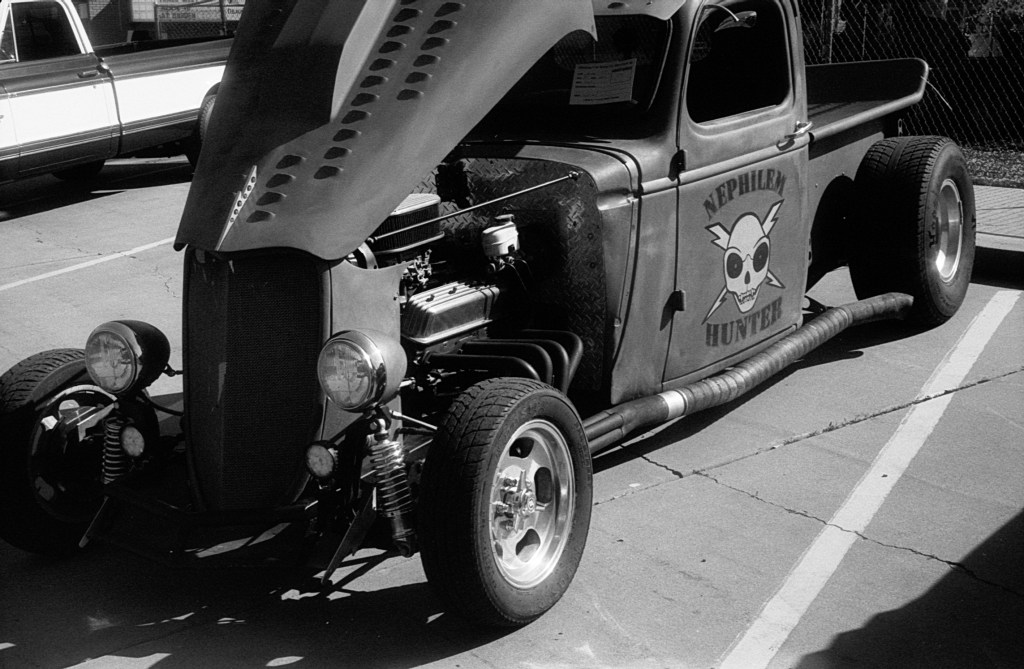
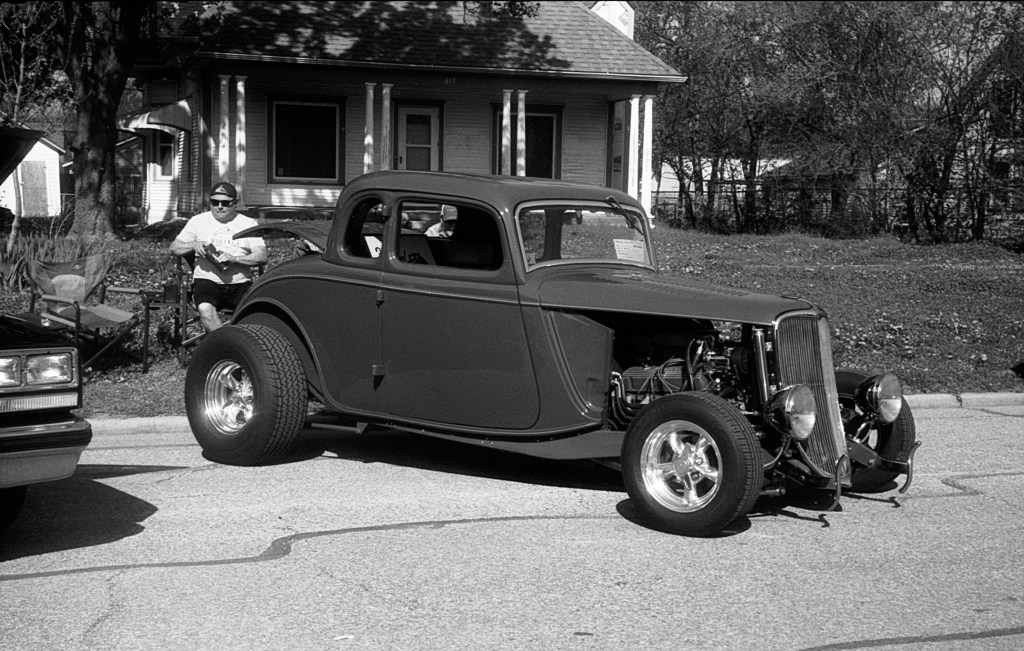
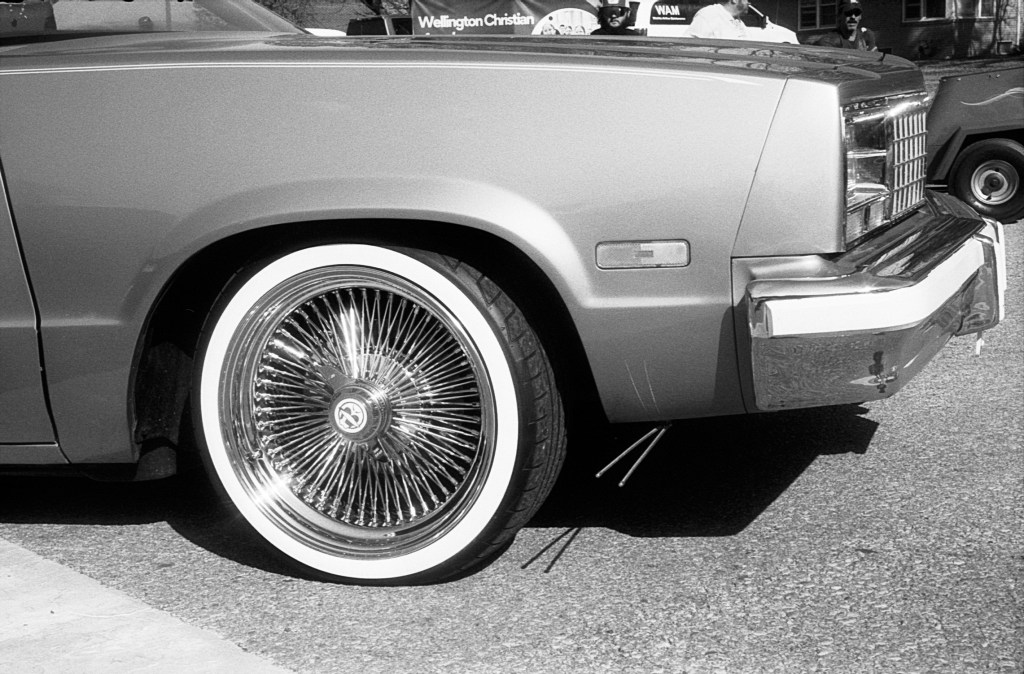
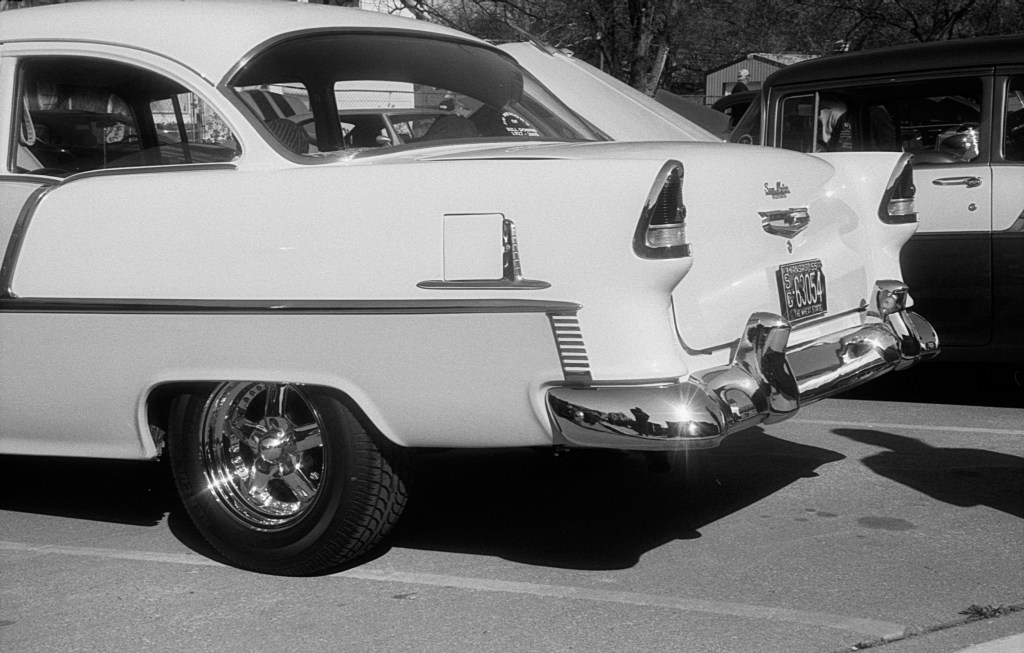
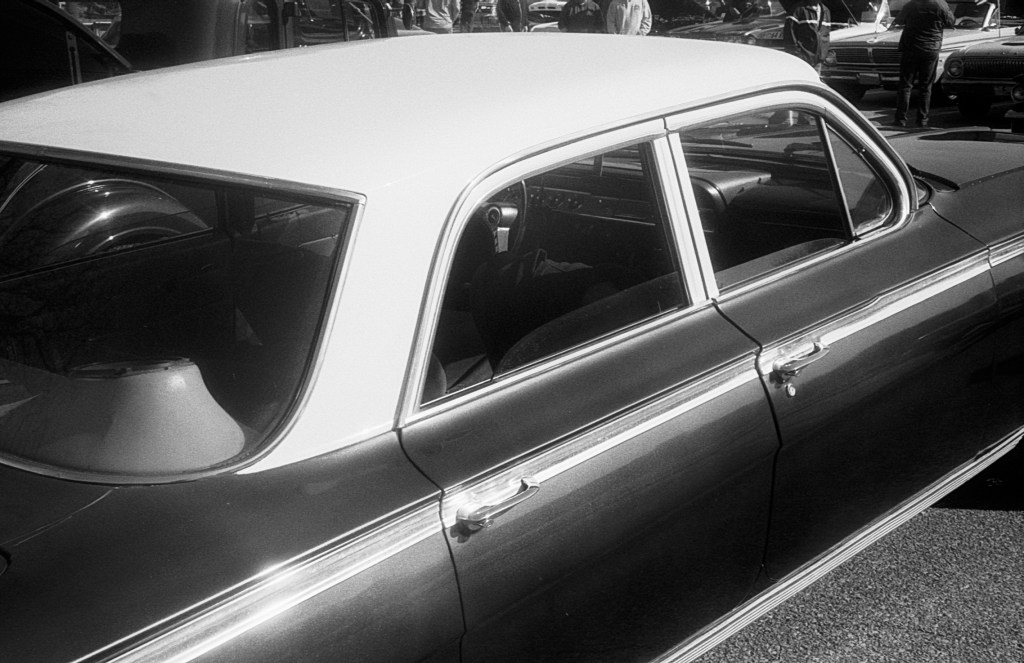
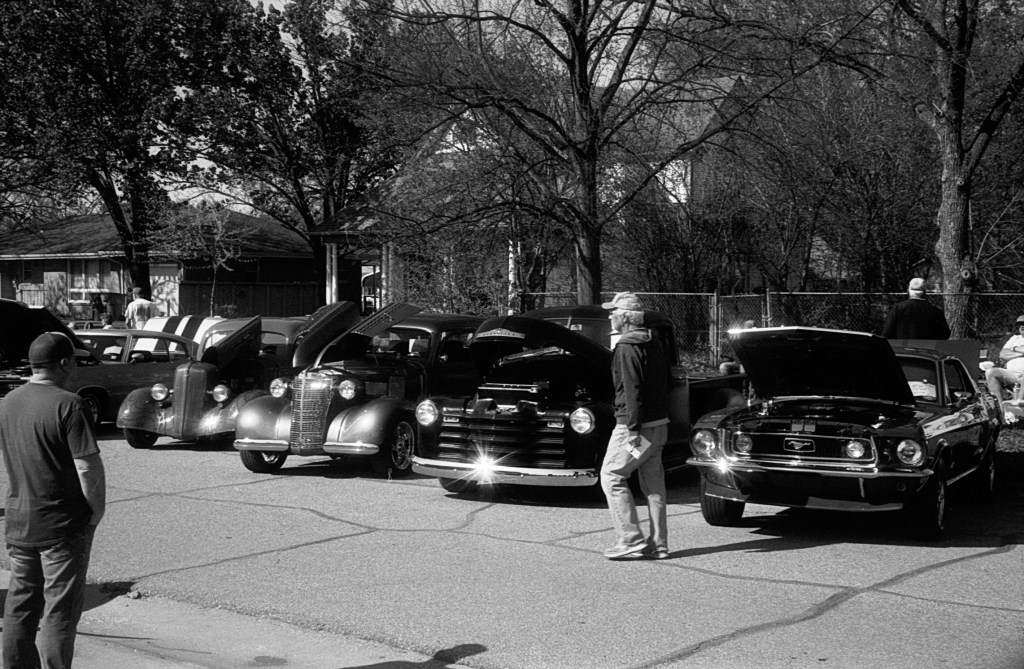
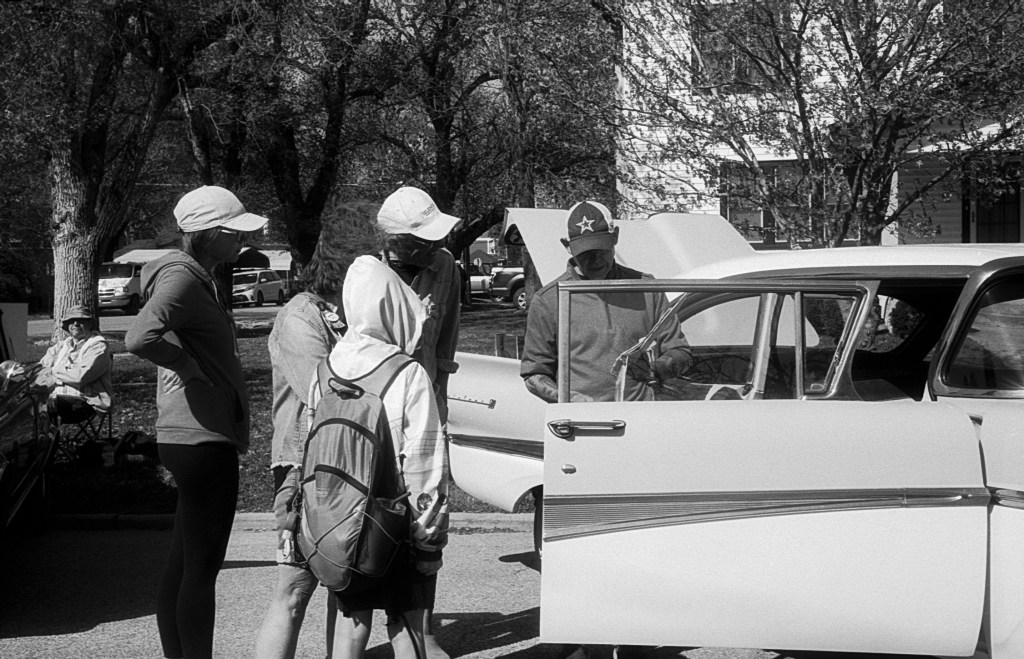
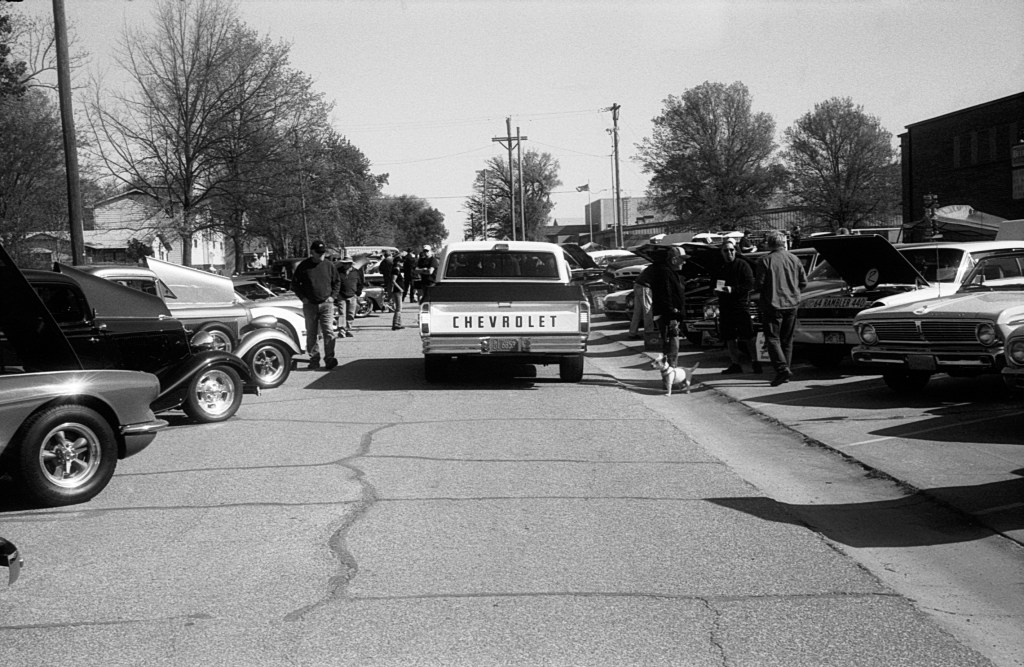
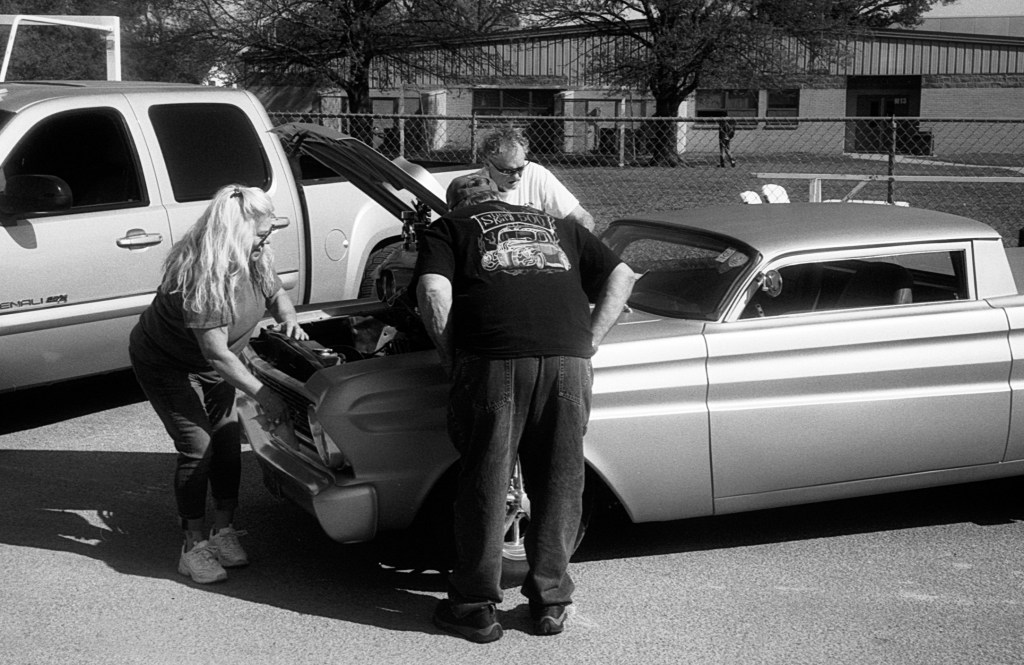
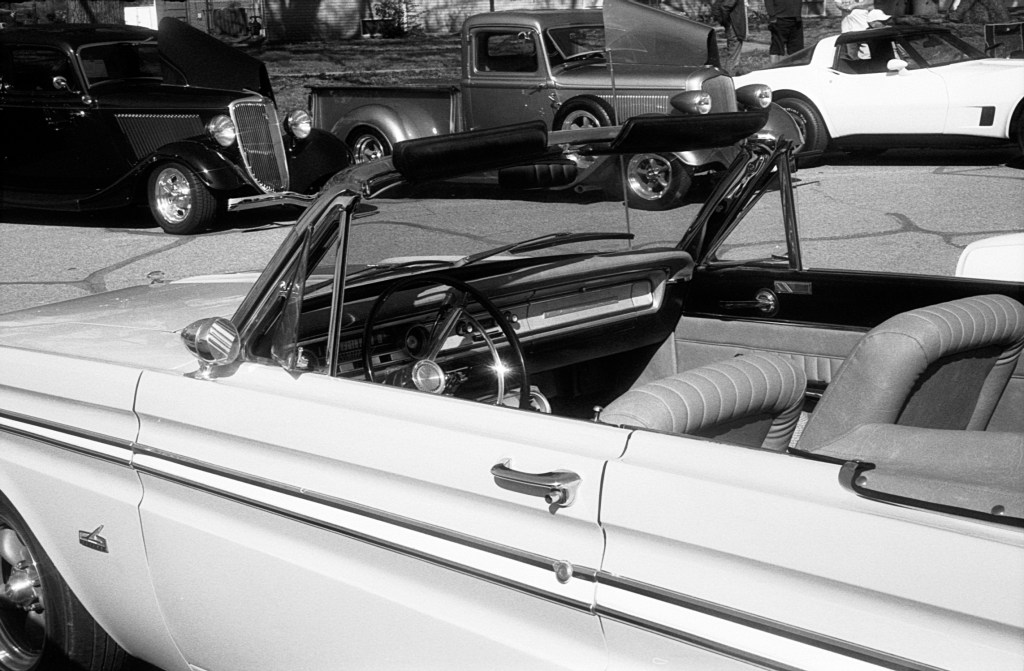
The roll of film I tried in this developer was shot in my Canon P equipped with the Soviet-made Jupiter 8 – 50mm f/2 lens. The film was Kentmere Pan 100. This is considered a “budget” film, but I’ve always had good success with it. I went out to a local car show and it didn’t take long to blow through the whole 36 exposures. It was a bright, sunny day, so I set the camera to f16 and 1/100th of a seconde (Sunny 16) and left the settings alone.
I’m not sophisticated enough to write about the nuances and subtleties with this developer. But I can say it worked well and I like it. I’m glad to have this option in my developer toolbelt.
Also of note, with this development & scanning session I tried out a new-to-me technique to try and reduce dust and whatnot on my negatives. I’m often required to spend a good chunk of time in Lightroom cleaning up my scans. Dust and particles on negatives are a great source of annoyance and there’s no way to 100% get rid of it. I’m happy to say that my scans came out nearly dust-free! I’ll devote an entire blog post in the future on my process for combating dust.


 ICT Film Guy
Leave a comment