
I found this camera on FB Marketplace. It turns out an antique store not far from my home was advertising it. I talked them down in price and paid a grand total of $25.71 (after tax). My research on this Ciro-flex TLR taught me that it was manufactured in the U.S.A. (Detroit, MI and then Delaware, OH to be specific), beginning in the ’40s. There were several models from this line, but the camera bodies made no designation of which model was which. The way to differenitiate between them is by comparing features and equipment.
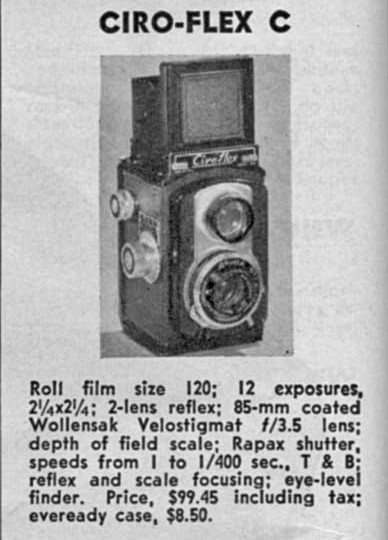
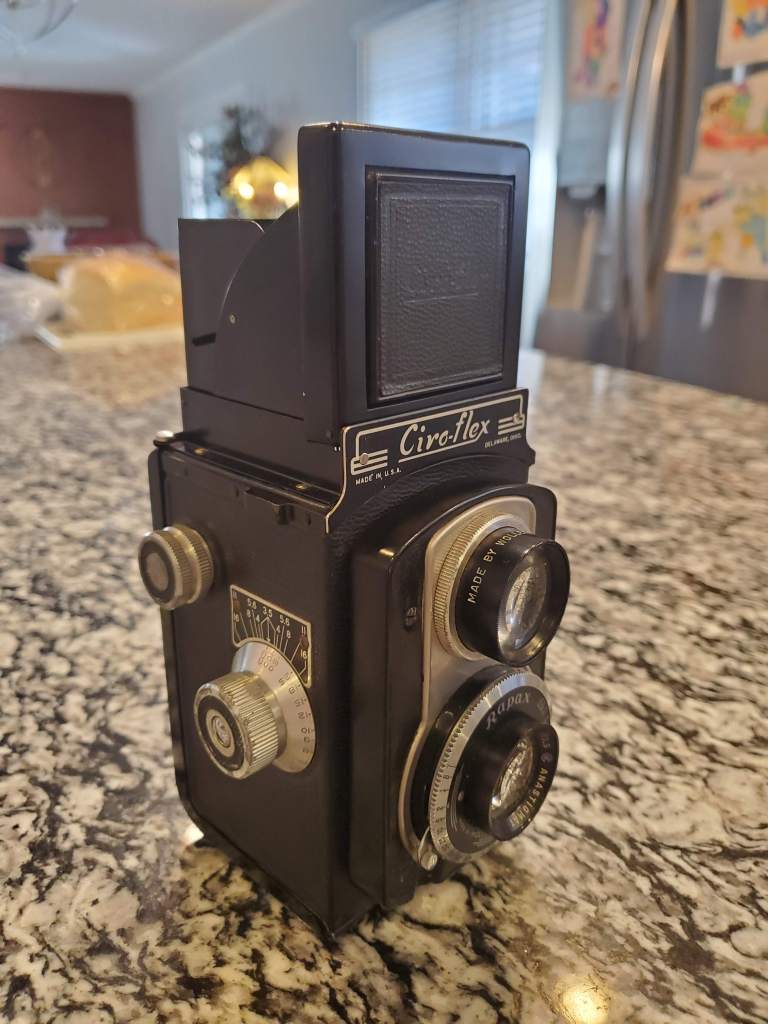
The Model C came with a Rapax shutter, and that’s the model I have. I made sure it was functional before I paid the man. It was, albeit a little dirty. I took it home and later dismantled it and gave it a thorough cleaning. The front leatherette is missing which I’d like to replace. It doesn’t affect performance at all, but I don’t like my cameras being naked.
Once it was cleaned, I was eager to put a roll through it. Other projects caused a delay in taking it out in the field. Finally, I had some free time on a day off and loaded it with a roll of Fomapan 100. This was a new film to me but promised to offer high resolution, fine grain, and wide exposure latitude.
It doesn’t affect performance at all, but I don’t like my cameras being naked.
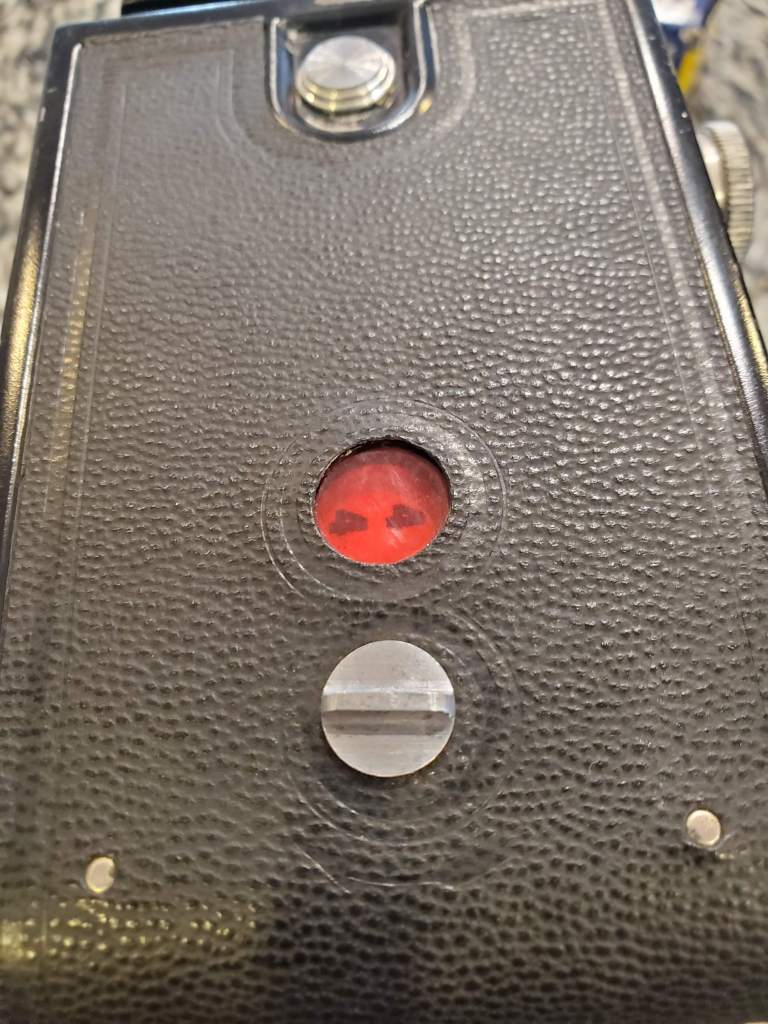
My only faux pas with my photo outing was that as I was winding my film to get it to frame #1, I never saw the #1 (or anything else) pass through the rear frame window. I cranked and cranked and cranked. Then it occurred to me that this camera has a lever which opens and closes the frame window. Once I opened it I saw that I’d cranked right by the first three frames and started my shooting with frame #4.
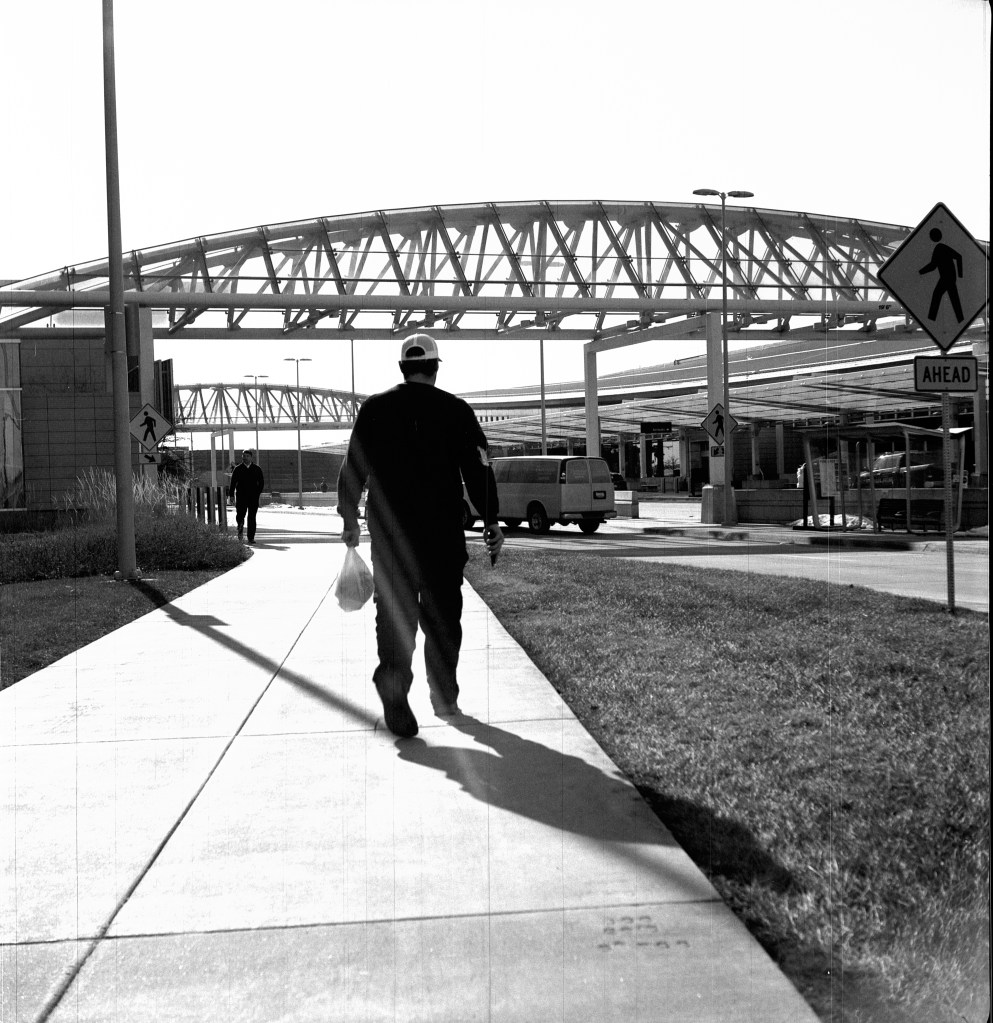
My shooting time was rushed (self-imposed). I drove around and shot off the roll pretty quickly. A brief stop at the airport caused a young man to see me and comment, “I like your camera!” (Thanks, you little whippersnapper!)
Having never shot or developed Fomapan before, I consulted the Massive Developement Chart for help. I settled on Rodinal 1:50 for 7 1/2 minutes at 72 degrees. When I dumped the developer out, it had turned a bright green. No cause for alarm, I’m used to film turning developer all sorts of colors.
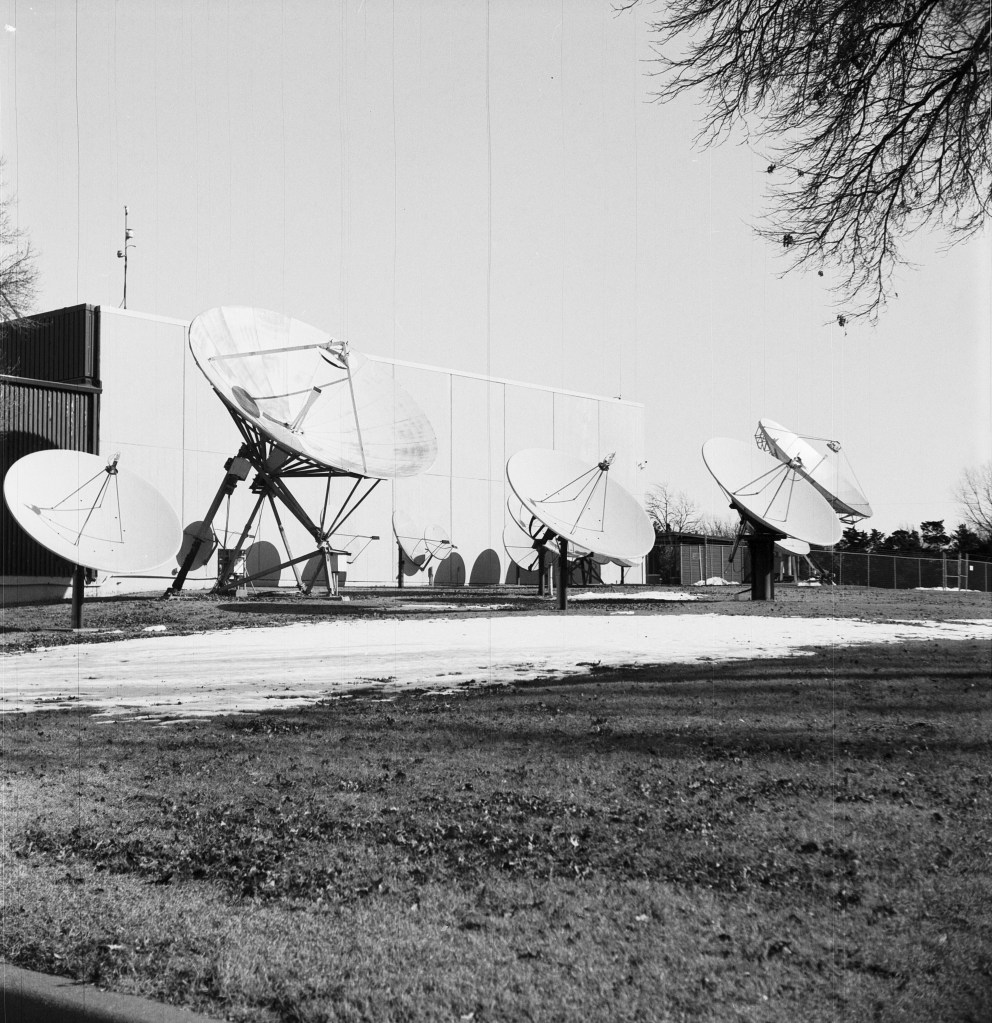
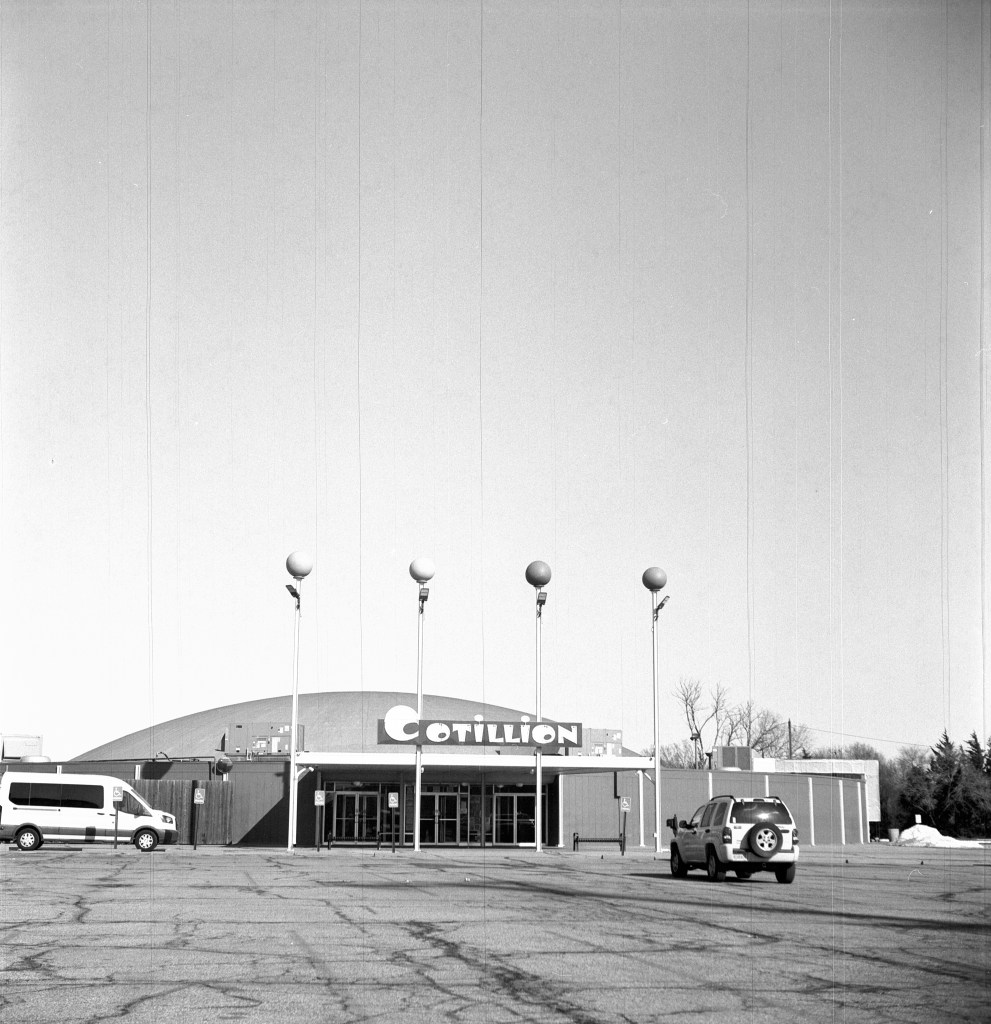
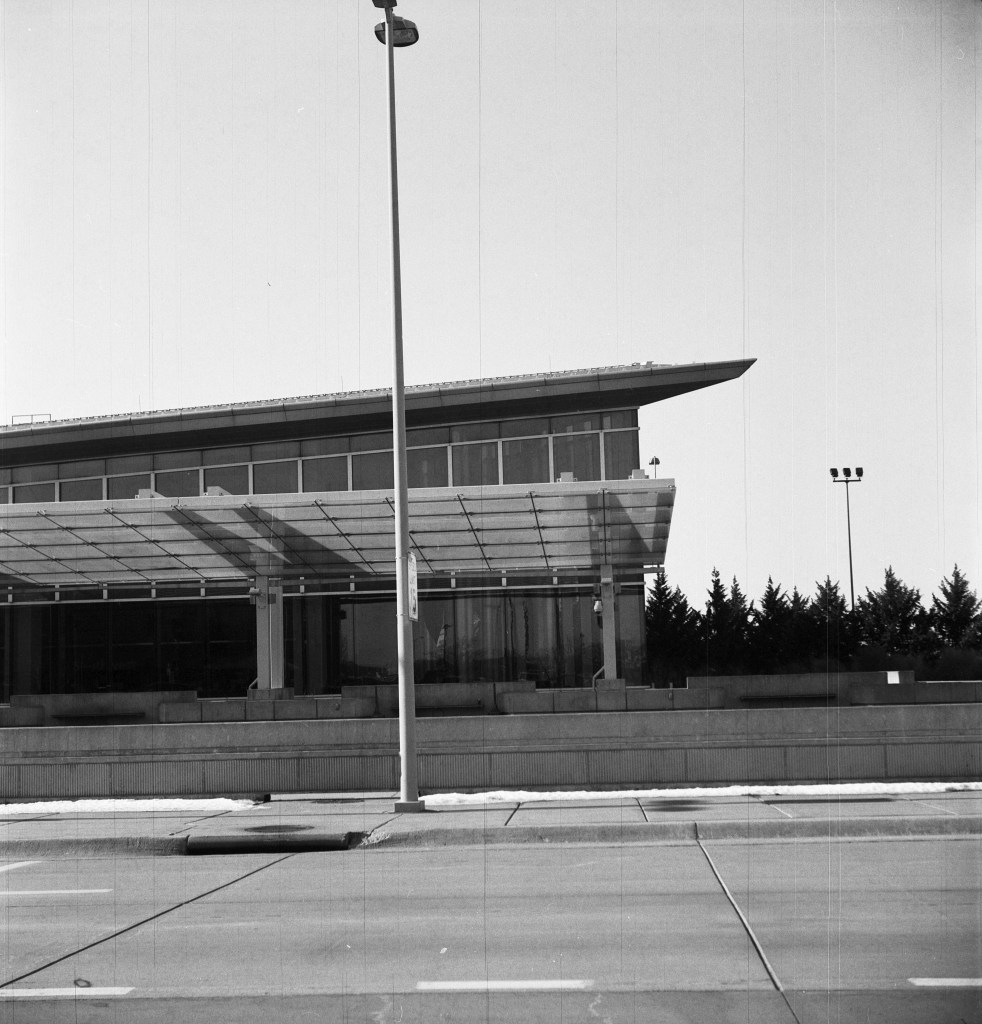
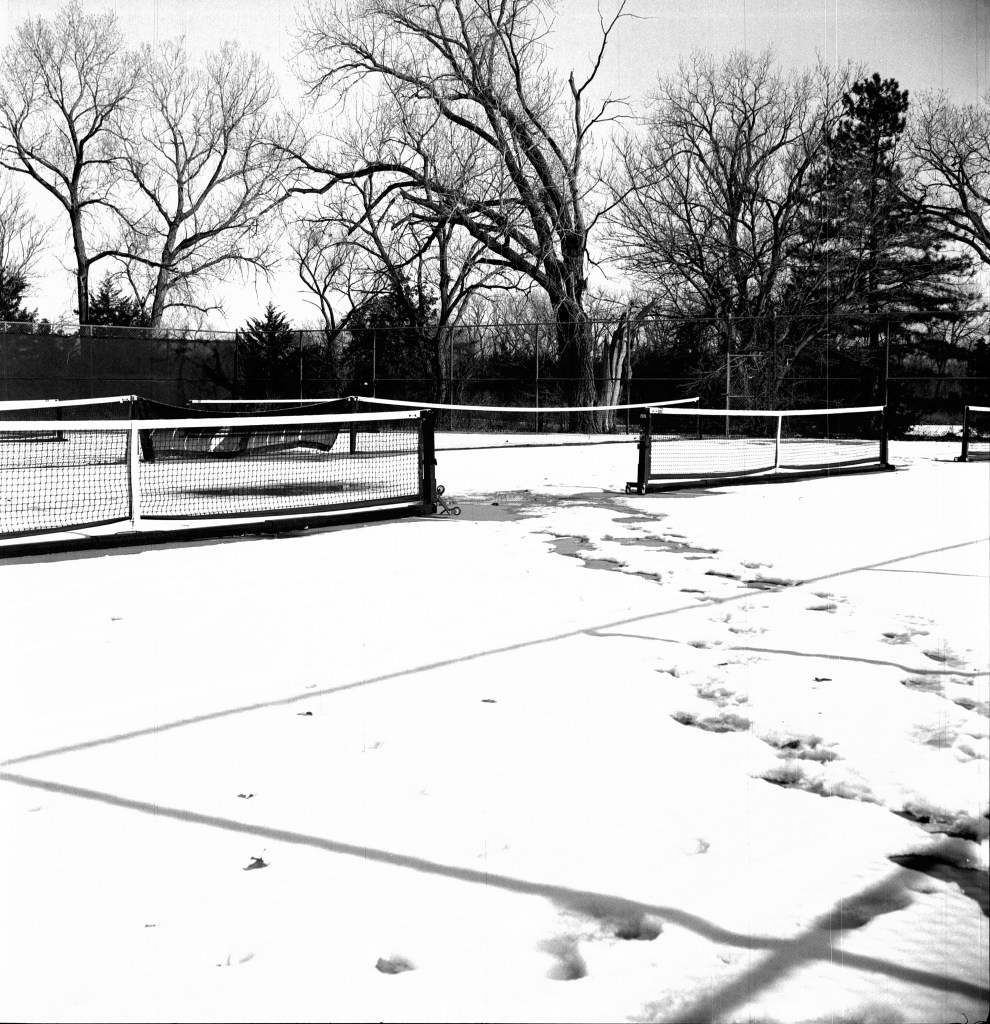
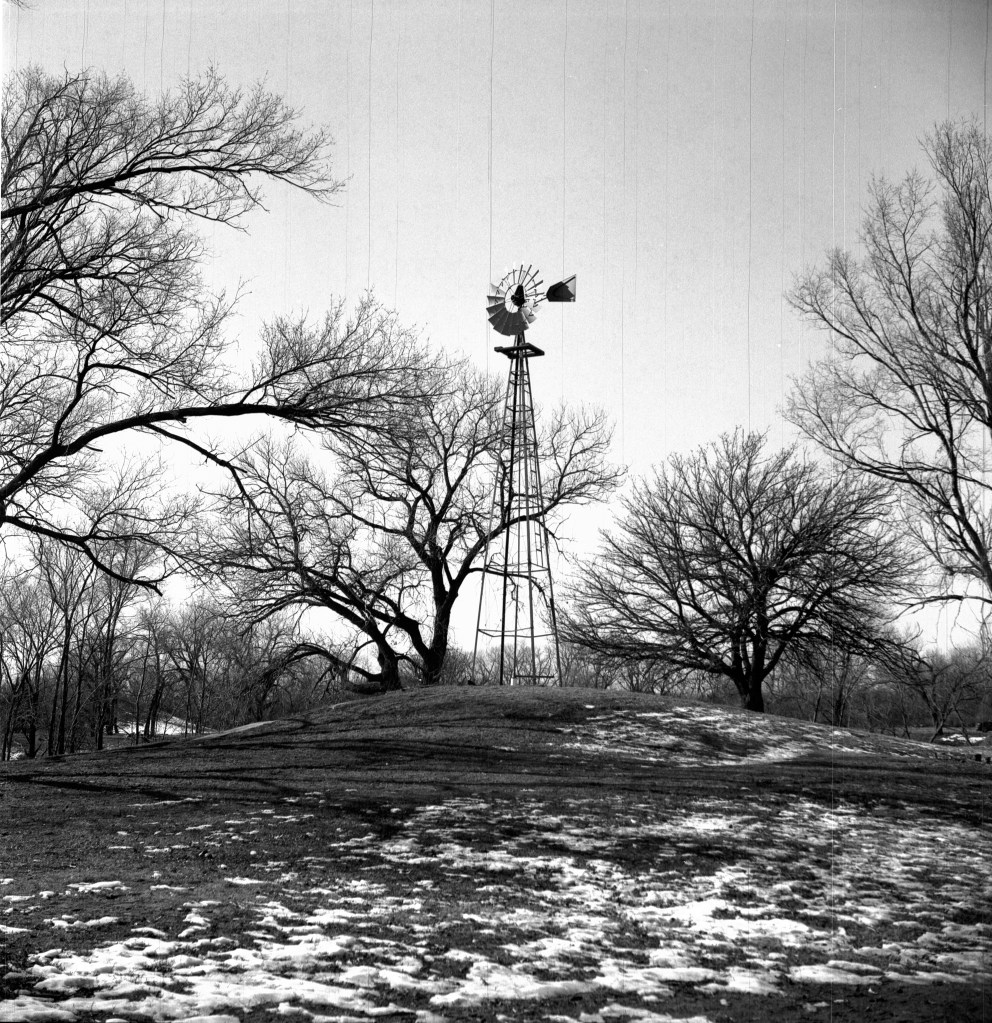
When I took the roll out of the final rinse, I was super excited. All the shots turned out (except of the first three frames I’d accidentally forwarded past). And they looked good! If my math is correct, this camera is 77 years old and still capable of producing big, beautiful negatives. So cool!
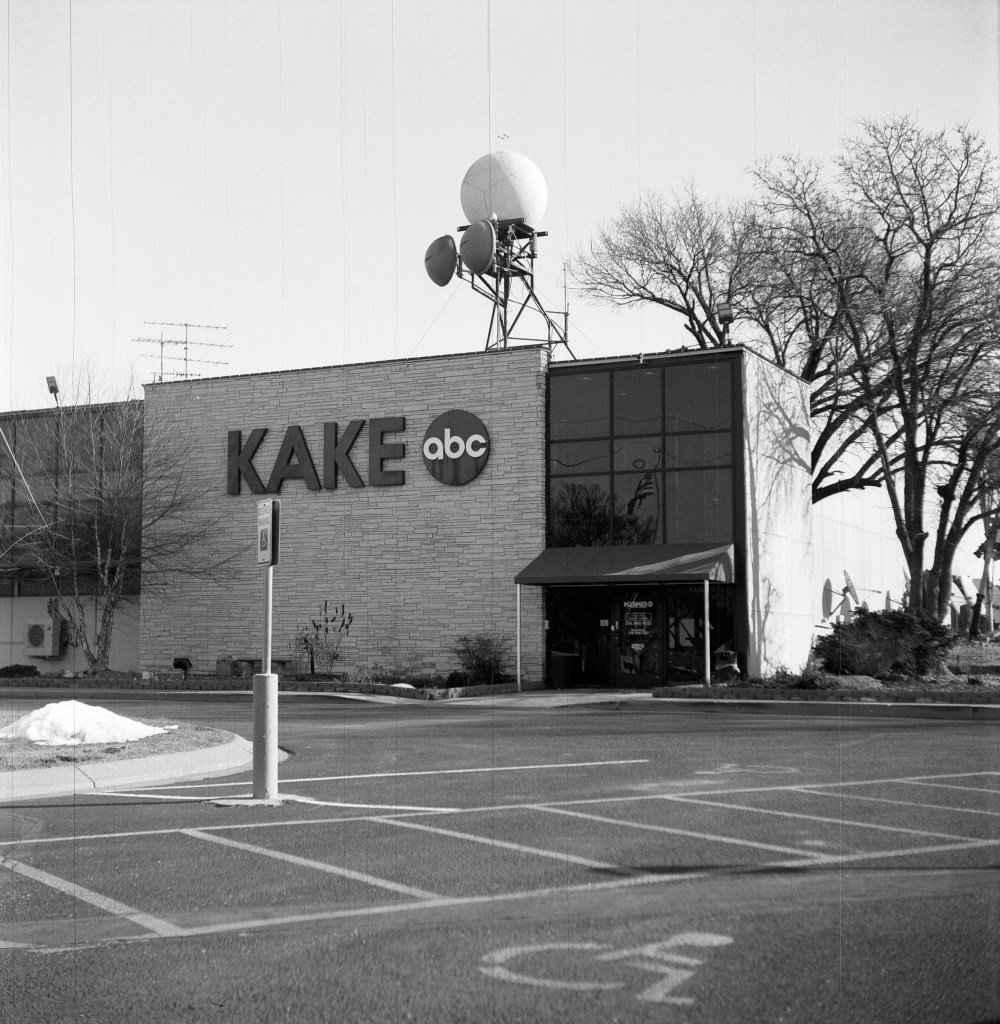
My only complaint (and a pretty big one) with these photos are the visible vertical lines. I’m not sure if this is a problem with the roll of film, a scanning issue, something that happened when I loaded it onto the developing reel or caused in the camera itself. I’ll have to shoot another roll to see if the problem persists.
But other than the lines, the negatives are tack sharp. Contrast is nice with very little vignetting.


 ICT Film Guy
Leave a reply to A Ciro-flex do-over – ICT Film Guy Cancel reply