
I’ve been on a quest for the perfect-for-me vintage medium format camera. I’ve been using and enjoying the Agfa Isolette III which produces tack sharp images. You can see some photos I’ve taken with the Agfa here, here and here. I really like it, but it can be cumbersome to use. I don’t always mind that, but sometimes I don’t want so many steps to take a photo. More automation, please.
With that in mind, I may have found a new favorite in the Mamiya 6 Six Automat. Yes, the 6 and Six are redundant, but that’s the actual model name. This model is the 6th iteration of the Mamiya 6. Confused yet? Add the “Automat” and now you have it!
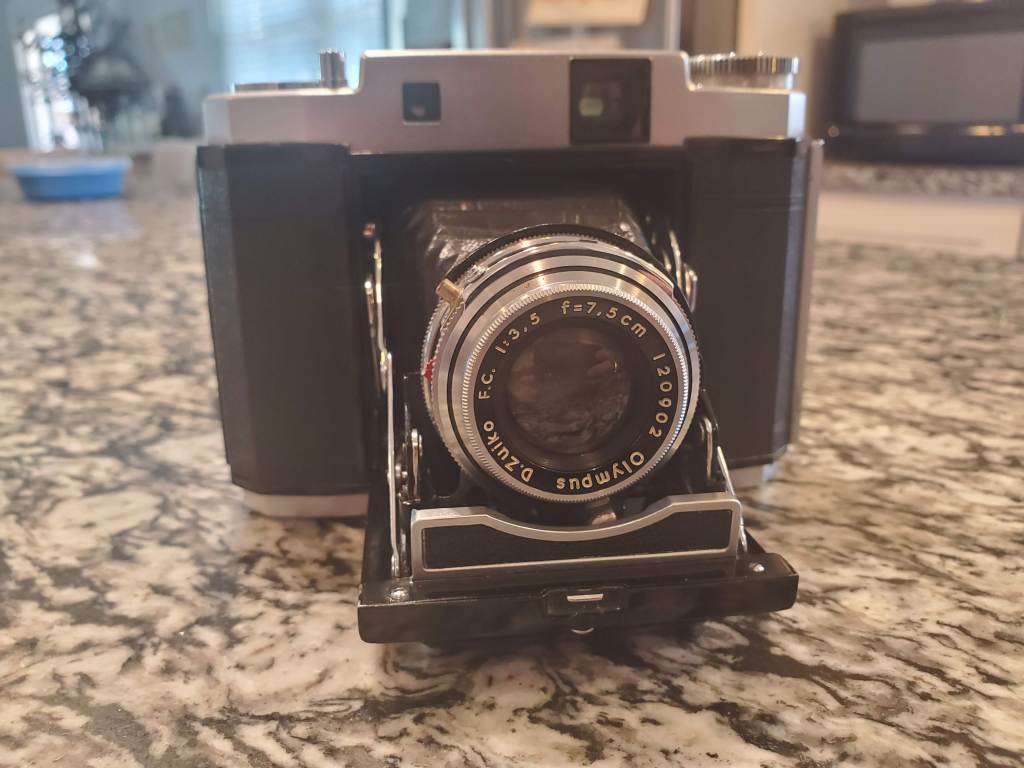
It was introduced in 1955 and manufactured in Japan. If my math is correct, that makes my copy of this camera 70 years old at the time of this writing. Pretty cool! It was a unique camera for its time. It featured a coupled rangefinder, an automated shutter cocking mechanism and auto-stop film advance (hence the “Automat” designation). No longer was the user required to manually cock the shutter before each shot. No longer was the user required to open the red film frame window on the back and carefully advance the film until it the next frame number was lined up. (But for some redundancy, there is a frame window on the back if you’re so inclined to take a peek.) And it has a frame counter! Its most unusual feature is that instead of the lens standard moving for focus, the film plane moves. Pretty ingeneious. It’s about as close to a point-and-shoot as you could get back then.
And if that wasn’t enough, it’s a folder! This makes it compact enough to put in a coat pocket. It’s much more convenient than a TLR. The only thing it lacks is a light meter. But for those of us who enjoy vintage gear, this is not a deal breaker. We’re used to using external meters, phone apps or the trusty Sunny 16. In fact, all the shots on this post were all shot using Sunny 16. No meter required.
It’s about as close to a point-and-shoot as you could get back then.
Oh! Antoher thing it lacks are strap lugs on its sides, so no camera strap unless you can find a case for it that includes them. This is probably my only complaint.
The camera is equipped with a fixed lens, a decent Olympus D Zuiko 7.5mm f/3.5. The “D” in the lens name is the designiation for four lense elements. The shutter is a Seikosha MX with a very adequate 1/500th shutter speed on the fast end. Often, cameras of this era are only capable of 1/200th or 1/300th.
It uses 120 film and produces those big 6×6 square negatives.
I picked up my copy of this camera for less than $200. It was shipped to me from an eBay seller in Japan. It arrived more quickly than some orders I’ve placed with New York based B&H Photo! And in a weird twist of fate, I ended up with two copies of this camera. My girlfriend benefited from this mix-up and was the lucky recipient of a free, new-to-her camera.
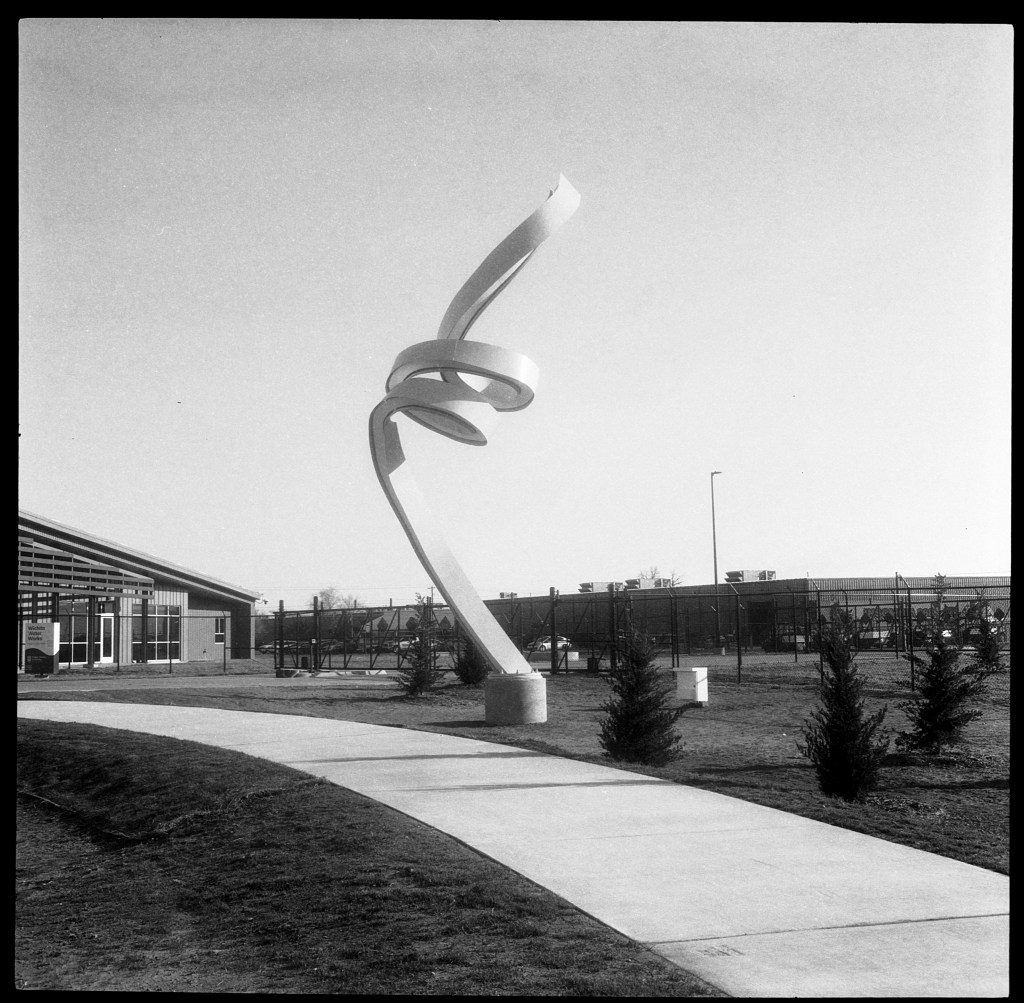
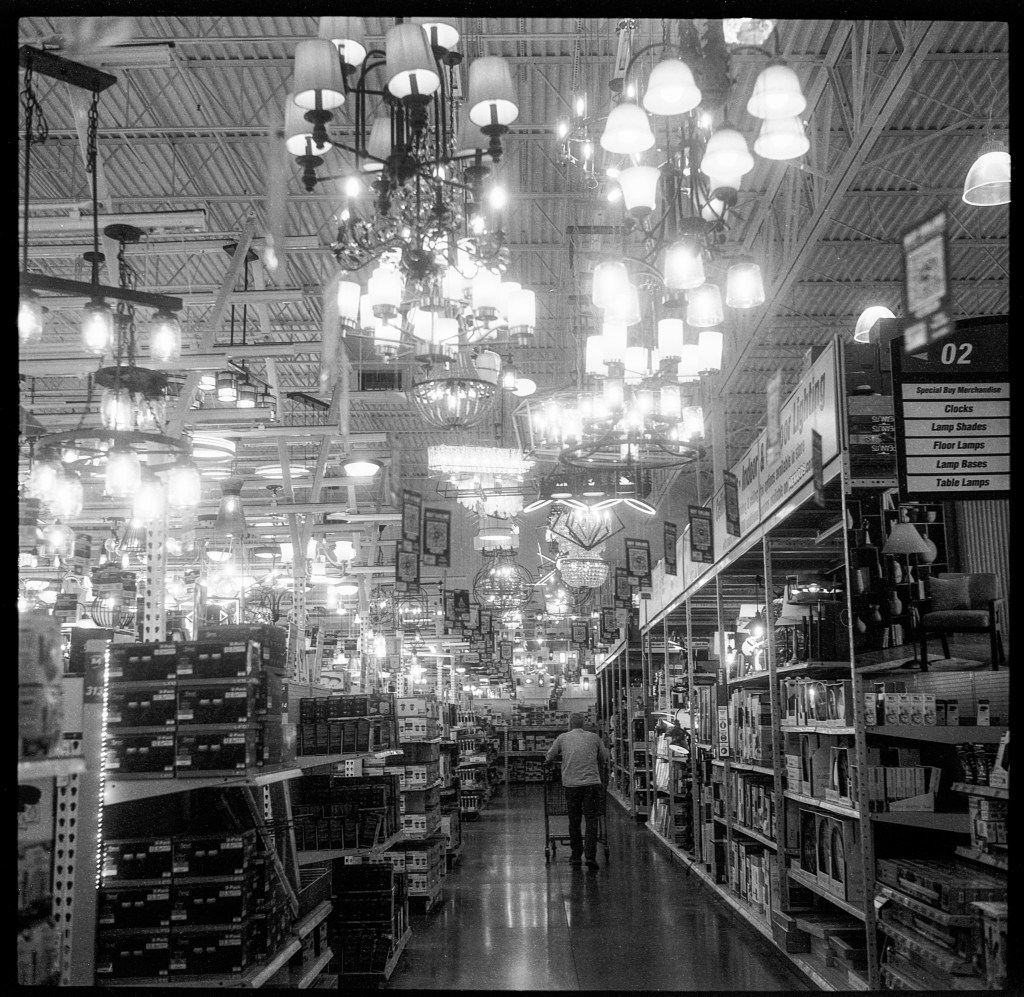
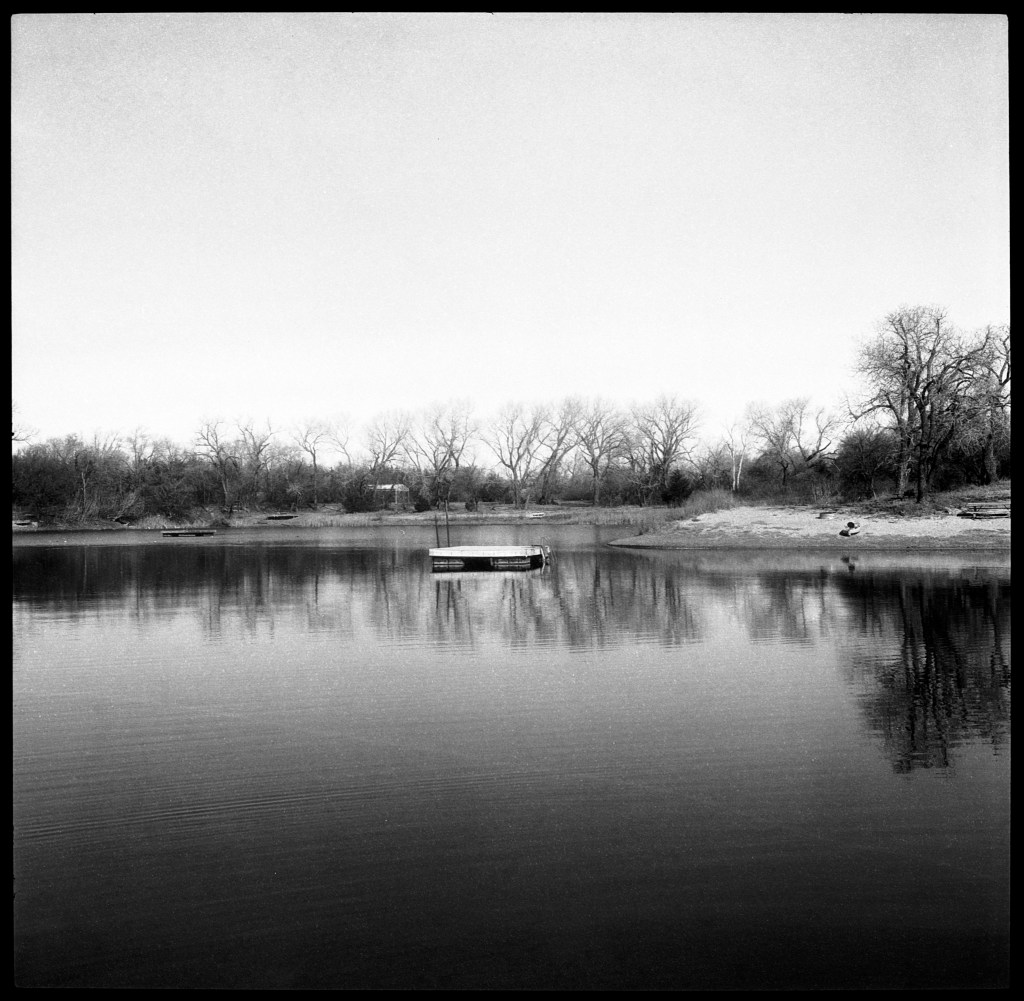
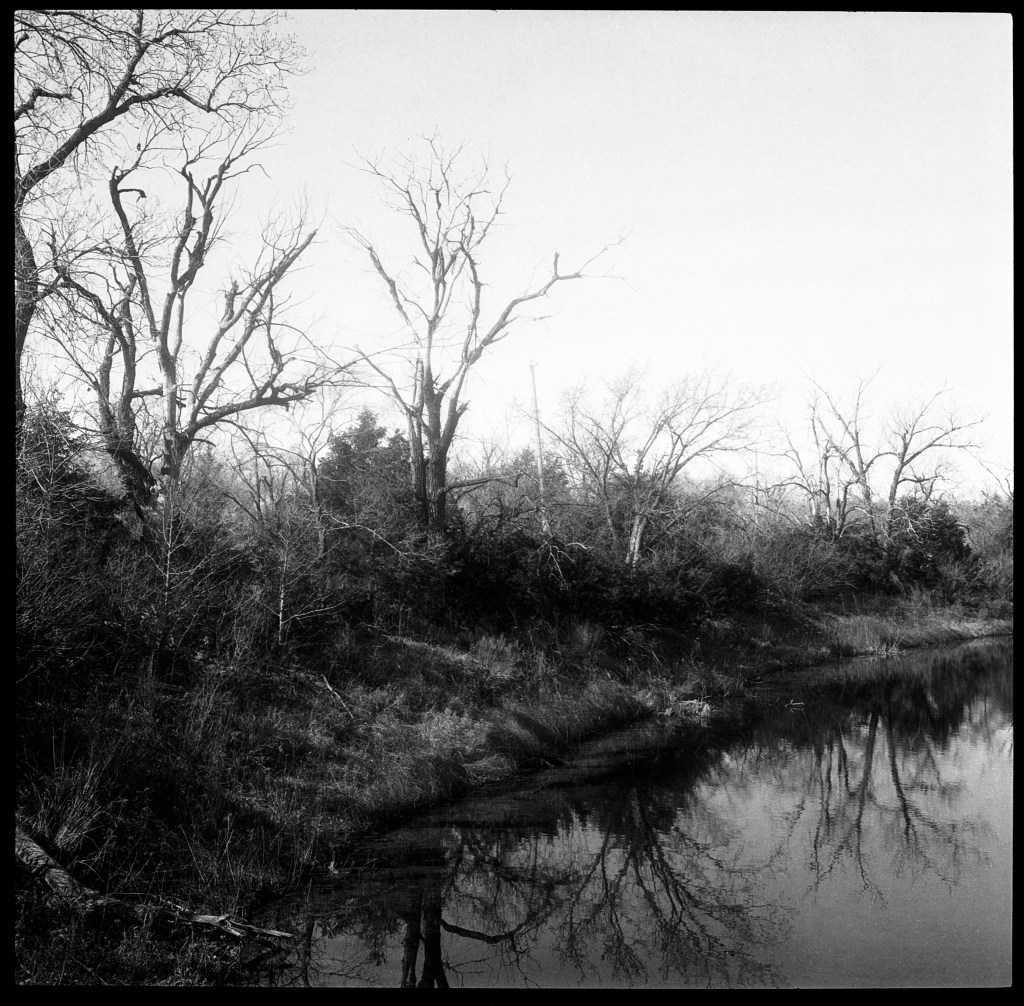
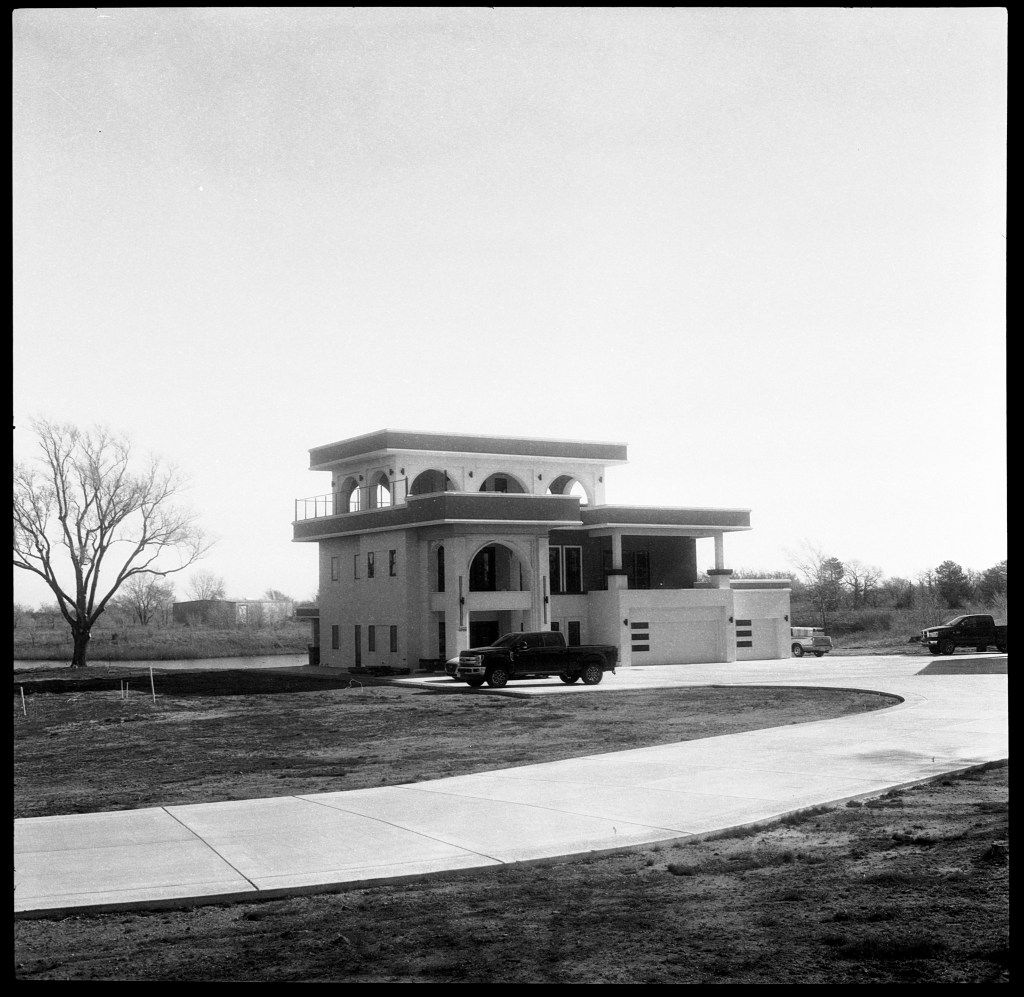
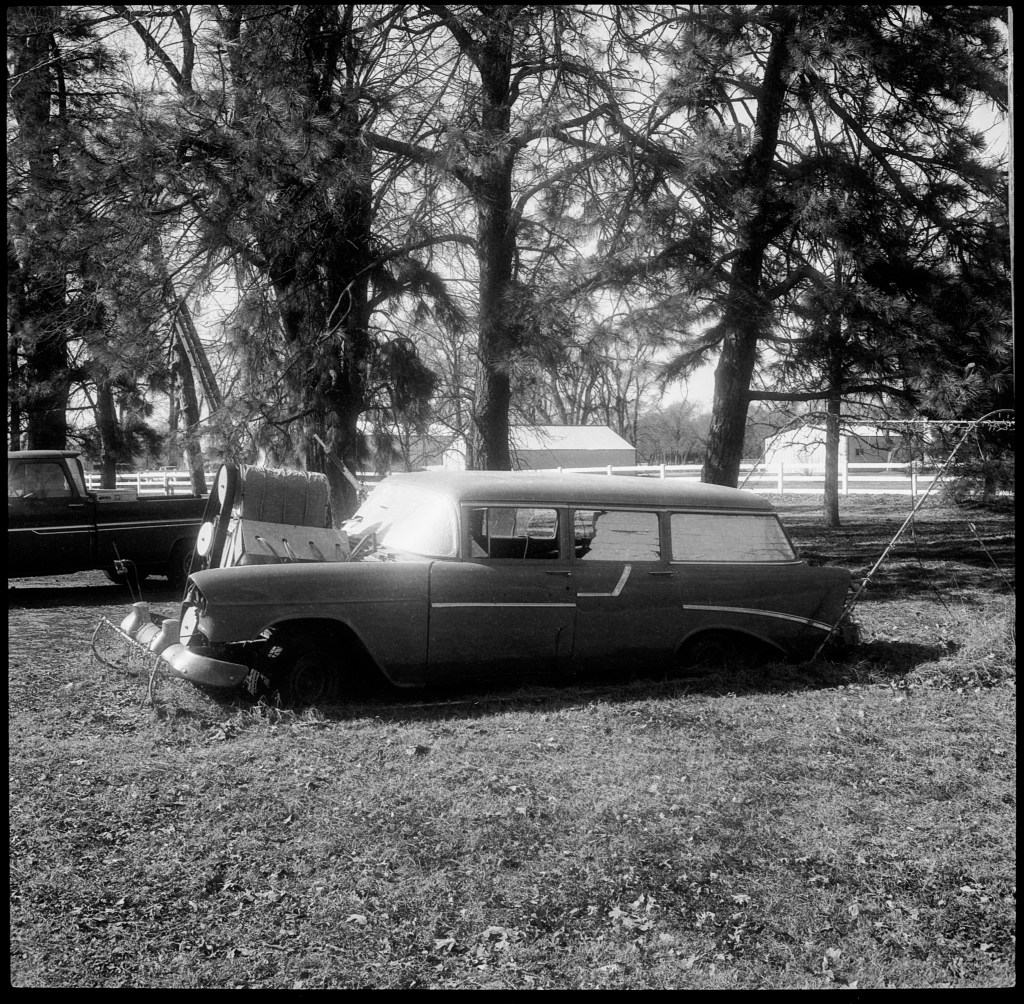
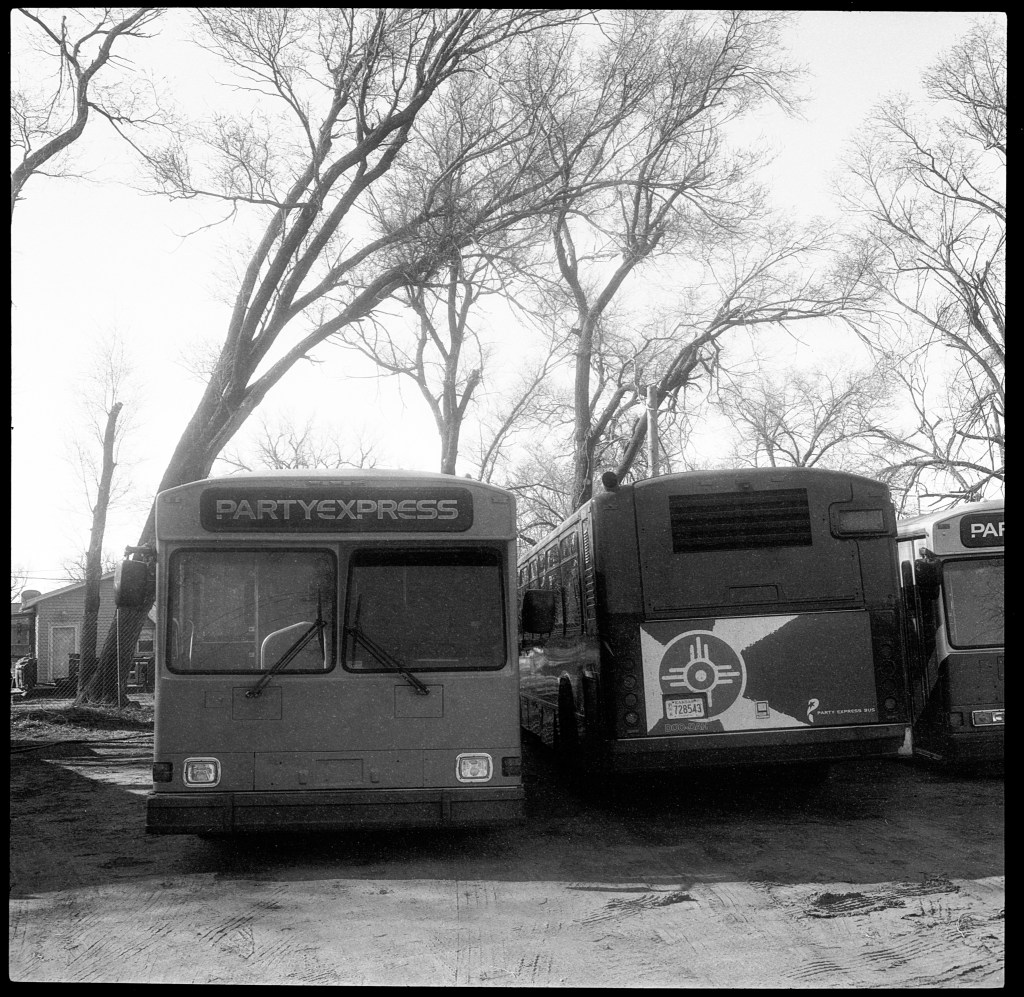
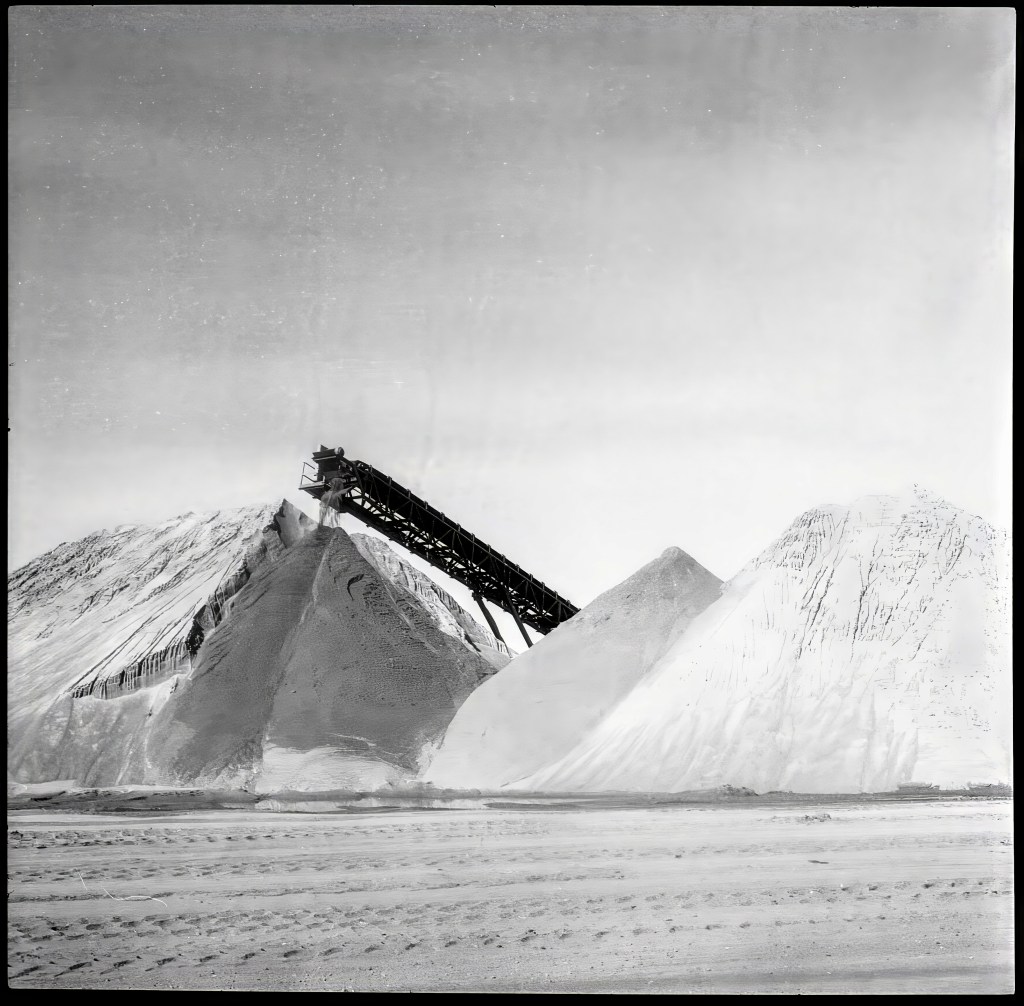
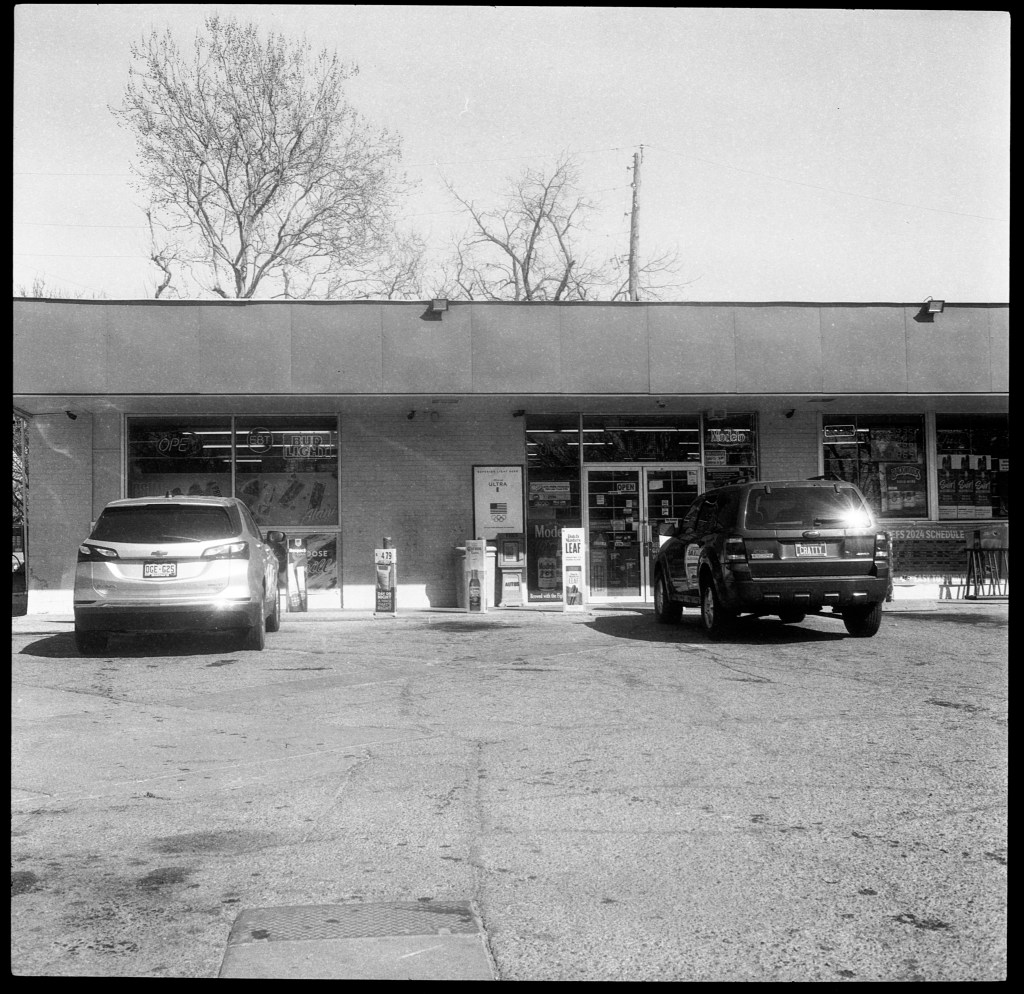
For my first field trip with the Mamiya, I loaded it with a roll of AristaEDU Ultra 100 and later developed it in Diaphine. This is a great combo, I’ve learned. I’ll write more about it in a future post. Until then, here are some photos to show what it…and my Mamiya…can do.


 ICT Film Guy
Leave a reply to Arista three ways – ICT Film Guy Cancel reply